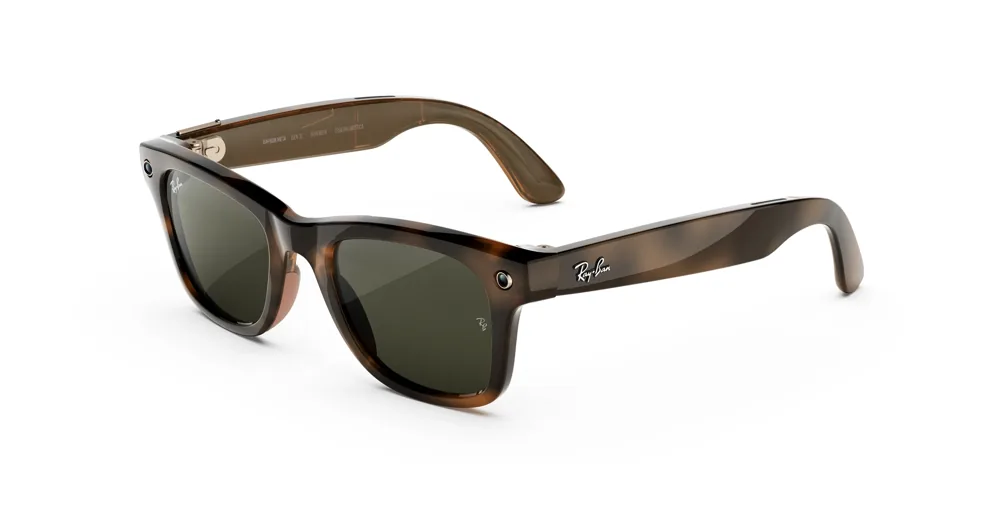
Ray-Ban Meta Audio removes the camera. That changes the product more than it sounds.
Due to begin shipping on October 13, the camera-free frames put calls, listening and fit ahead of capture. Here is what the launch actually promises.
 SmartWearGuide · 2026-10-12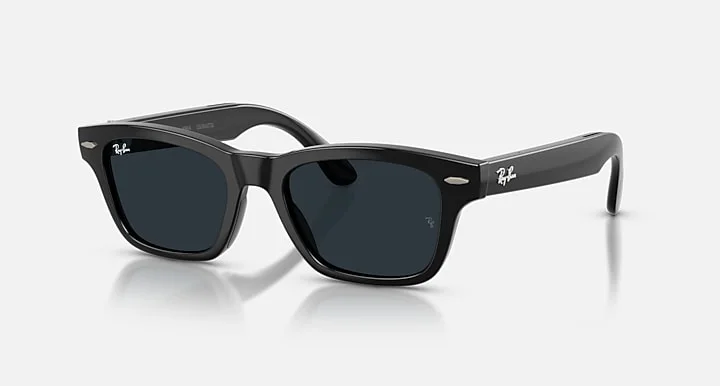
A launch built around subtraction
Meta announced Ray-Ban Meta Audio on September 23, with preorders from $349 and shipping scheduled to begin October 13. As of our October 12 check, that is a timetable, rather than evidence that customers have received the product. The headline hardware claim is 43 grams, up to 12 hours from the glasses and up to 48 additional hours from their case.
The interesting decision is the missing camera. A buyer who wants calls and background listening does not have to pay for a capture feature they may rarely use. That also gives the product a clearer social explanation: these frames can hear and play audio, but do not take photographs. It is a specific everyday tool with a simpler job to justify, rather than another promise to replace a phone.
The AI feature list also gets shorter
Ray-Ban's comparison explicitly lists no camera and excludes multimodal visual AI and Live AI from the Audio model. You cannot assume that an assistant will inspect a sign, identify an object or help compose a photograph simply because another Meta frame can. Music, calls, voice interaction and supported translation remain the relevant starting points.
That is a useful reminder about the word AI on eyewear packaging. The assistant's name does not define its inputs. A microphone-based request and a camera-based request ask the system to solve different problems. For shoppers, the practical test is to write down a few questions they actually expect to ask, then check which require a view of the world. An audio-only model will be the wrong shortcut if the essential task is visual.
Fit deserves as much attention as the battery
The range includes Clubmaster and Burbank styles, with adjustment options that differ between them. Ray-Ban describes overextension hinges and adjustable temple tips, while the nose-pad arrangement varies by frame. Prescription choices also make the final order more specific than the launch's starting price. The exact Burbank listing we checked specifies a six-microphone array, two open-ear speakers and minimum phone requirements of iOS 17 or Android 10.
A specification does not settle how the frame presses behind your ears or where its speaker sits relative to them. Our advice is to compare the actual size, lens and bridge option you would order. Someone buying prescription eyewear is making a combined optical and electronics purchase. A comfortable demonstration in a different frame size gives only part of the answer.
Ray-Ban: Meta Audio specifications and feature comparison ↗ · Ray-Ban: Meta Audio Burbank, RW 7005 601/1 Z 54-19 ↗
Open ears create an unavoidable buying question
The point of open-ear listening is that sound from the room can still reach you. That can be attractive at home, in an office or during a walk, but it also makes the surrounding environment part of the listening experience. A useful demonstration should include your ordinary speaking volume, a call and a noisy setting, rather than only a quiet shop counter.
We would also ask someone beside the wearer whether audio is noticeable. Keeping your ears open and keeping a conversation private are separate goals. Neither follows automatically from an open-ear label. These are questions for testing, not results we can claim from the announcement. The same applies to microphone performance in wind: a six-microphone count describes hardware, not a guaranteed clean call in every situation.
SmartWearGuide analysis
Read twelve hours as a testable claim
The stated endurance is an up-to figure, and case capacity is additional charging rather than twelve uninterrupted hours multiplied into a single session. A day dominated by calls may also differ from a day of occasional voice requests. We do not yet have an independent runtime result for this new model in this article.
For a useful owner review, we want the activities, volume, connection quality and charging stops described alongside the result. If glasses last a workday but need their case over dinner, that may be entirely acceptable. If your main use is a long call-heavy shift, the same pattern may be inconvenient. Treat the launch number as the question that a real routine should answer, not the answer itself.
Who should put this on the shortlist
Meta Audio is most interesting for someone who already wears glasses, wants frequent short calls or listening sessions, and has little need for hands-free photos. It is less persuasive as an impulse gadget bought only because an assistant has been added. The strongest purchase case is a routine that the frames make easier every day.
Before ordering, verify the supported services and language in your country, the exact prescription configuration and the seller's dispatch estimate. Compare the complete lens-and-frame price with the earbuds or audio glasses you would otherwise use. If the return window permits a real trial, spend it testing fit and your own calls. The success of this design will be measured by whether removing a camera makes it easier to keep the glasses on.
About this article
Original launch analysis checked October 12, 2026, using three official sources. Shipping and runtime are manufacturer statements. October 13 is still a future shipping target at this check. SmartWearGuide has not worn or battery-tested these glasses.