Could an AI pendant replace your phone?
Spoken requests could move everyday tasks away from the screen. Completing them safely, privately and reliably is the harder part.
 SmartWearGuide · 2026-10-12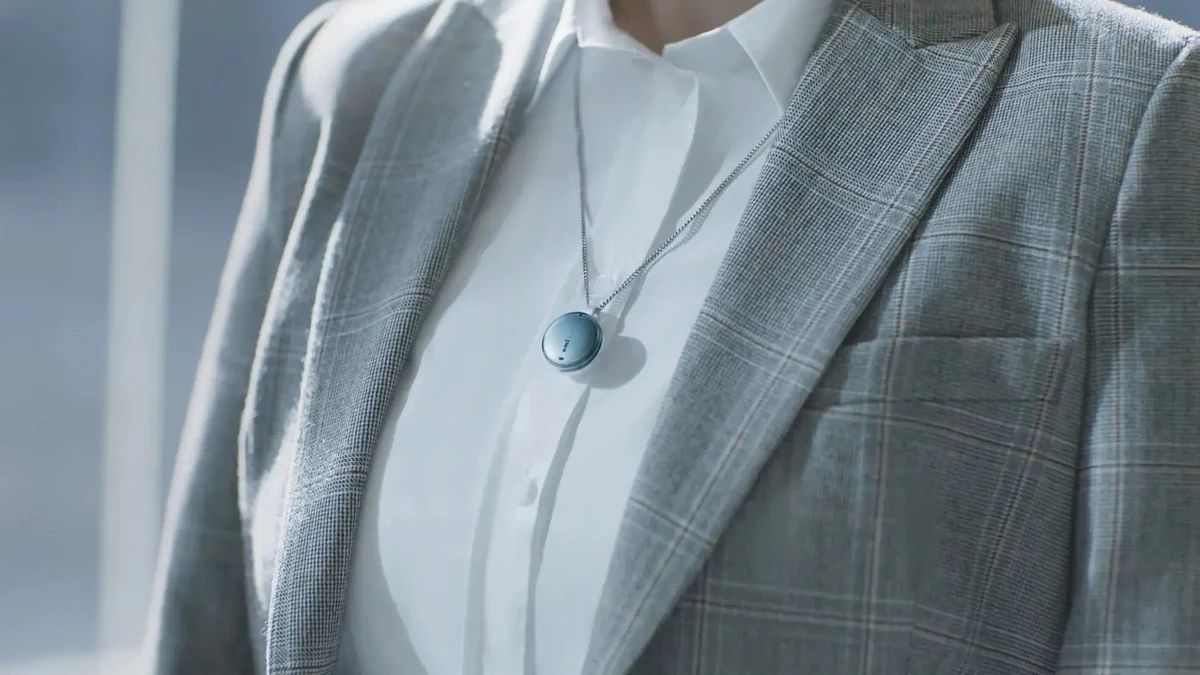
A future AI pendant could take over small parts of a phone's job: arranging a meeting, finding an answer in your recent conversations, or preparing a message while your hands are busy. Replacing the phone altogether is a tougher test. The wearable would need to complete those jobs reliably, let you inspect and correct mistakes, and handle ordinary moments when speaking aloud is inconvenient. Easier access to an assistant is a plausible benefit; complete phone independence remains a scenario to prove.
An earlier attempt shows why the interface matters. In his April 2024 Humane Ai Pin test for WIRED, Julian Chokkattu found its palm projection unreadable in daylight, making even passcode entry difficult. It could identify a nearby coffee shop but could not navigate him there. He also found its restaurant photographs unusable. The historical launch test exposes separate problems a replacement must solve: hearing a request, showing enough information to verify it, and doing the practical job that follows.[1]
The distinction between an answer and an action was visible in Mark Spoonauer's May 2024 Rabbit R1 review at Tom's Guide. This was a handheld AI device, not a pendant, but its voice-controlled services pursued a related idea. An Uber attempt reached a confirmation PIN, then failed before checkout; a generated spreadsheet arrived with incorrect totals. During testing, the battery was often below half by 2pm. Our inference is that shifting a job away from the phone must include verification and recovery, not just accepting the initial command.[2]
Software can improve those experiences, so an early failure need not condemn the idea. Jason England's February 2025 Rabbit R1 follow-up for Tom's Guide reported better responsiveness and stamina. He used its browser agent for research, including finding flights, but interactions remained slow. He also declined to give it login details or let it purchase items. That is his judgement from that test, not a security finding about every AI product. The relevant boundary is between researching options and trusting an assistant to carry out a sensitive transaction.[3]
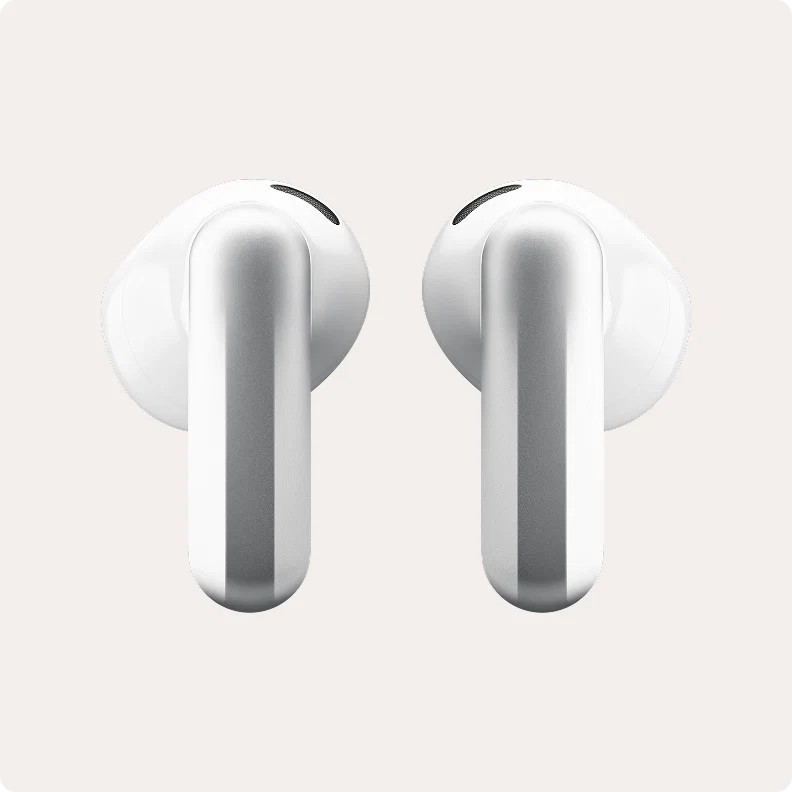
By October 2026, the ambition has widened. Plaud advertises One, an earbuds-and-case system rather than a pendant, with built-in eSIM connectivity and actions through connected services. An eSIM connects to a mobile network without a removable SIM card. Its current Explorer Edition page says the preorder has ended and offers a waitlist. An October 6 company announcement describes routines triggered by chosen conditions, consuming Plaud Credits. These are manufacturer descriptions, not our wear tests. Cellular access could remove the nearby-phone requirement for some tasks, but coverage, integrations and features vary. A connection alone does not establish complete independence.[4] [5]
Omi currently advertises automatic calendar and task updates, offline recording, and transcription on your phone. That last option reduces cloud dependence while still using a phone. Fieldy's September 2026 personal-service policy describes calendar changes when requested and processing by outside transcription and AI providers. Neither description proves that its pendant replaces a screen, camera, payment device or login method. Connecting an assistant to more accounts also makes permission boundaries more consequential: what can it read, what can it change, and how do you withdraw access?[6] [7]
Useful milestones are easy to imagine and demanding to demonstrate. Can you book the correct meeting, privately check the participants and time, change your mind, and confirm the result without retrieving a phone? Can you navigate, pay and take the photograph you want, then continue when the network drops or the battery runs low? A sensible future could combine a pendant for spoken context with another device for private visual checks. Until representative tests show those everyday jobs working, expect fewer phone interactions before expecting the phone to disappear.
Sources
- Julian Chokkattu / WIRED: Ai Pin launch test ↗
- Mark Spoonauer / Tom's Guide: Rabbit R1 test ↗
- Jason England / Tom's Guide: updated Rabbit R1 follow-up ↗
- Plaud: One Limited Explorer Edition ↗
- Plaud: Skills and Routines ↗
- Omi: current service and phone-local transcription ↗
- Fieldy: service processing and requested calendar changes ↗