Do I need smart glasses? Start with a task you already do
A useful pair should make something you already do easier. Work through the real benefit, the alternatives and the commitments before buying.
 SmartWearGuide · 2026-10-12
Think of the last ordinary moment when you wanted both hands free. Perhaps you were carrying shopping, walking the dog, or trying to watch a film in a cramped seat. Smart glasses become worth considering when they make a recurring task easier. If you cannot name that task, you probably do not need a pair yet. Begin with your routine rather than a product launch.
In his February 2025 review of the original Ray-Ban Meta Headliner, Tom's Hardware reviewer Brandon Hill found that the glasses made quick photos and calls convenient without holding a phone. He also found their images less capable than those from a modern smartphone. His experience points to a useful distinction: camera glasses can make capturing a moment easier without improving the picture. That trade may suit someone who repeatedly misses moments while reaching for a phone.[1]
Michael L. Hicks described a similar everyday appeal in Android Central's October 2025 Ray-Ban Meta Gen 2 review. He wore them for walks, runs and golf, using their speakers for music and taking pictures with a tap on the frame. But he also noted that much of this could be done with a phone and earbuds, and flagged their thickness and weight as possible objections. Consider whether combining those activities into your eyewear would actually save enough effort to matter.[2]
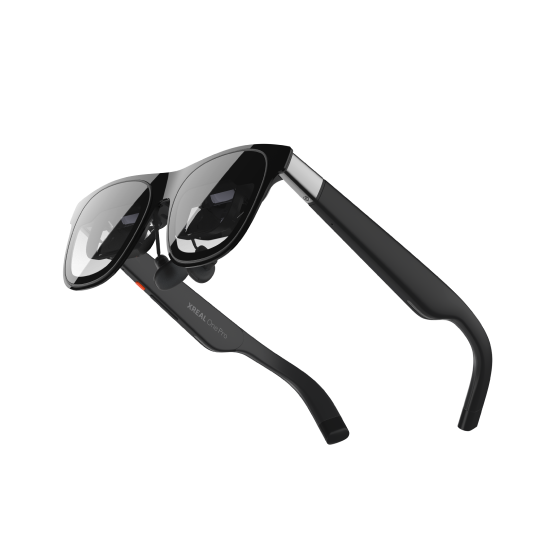
A different recurring problem is wanting a larger viewing surface away from home. In his June 2025 XREAL One Pro review, TechRadar's Hamish Hector tested the glasses for a couple of weeks with a phone, computer and XREAL Beam Pro. He praised their viewing experience and comfort, while explaining that they connect by cable to a compatible device. He also preferred headphones when travelling. This is a useful option to investigate if a wearable screen solves a repeated problem; a tablet may still fit your habits better.[3]
Before choosing camera glasses, check the commitments around the convenience. Ray-Ban's current FAQ lists a compatible smartphone, Meta account, Meta AI app and wireless internet access among its requirements. It also explains that the outward-facing capture light signals photo or video recording. Treat that light as information for others, rather than permission to film them. Check camera restrictions where you intend to wear the glasses, explain recording to people involved, and review the app's data settings. Include prescription lenses and charging arrangements in your decision.[4]
Try a small experiment before buying: for a week, note each occasion when glasses would have been more useful than what you already carry. Then compare the potential benefit with ordinary glasses plus earbuds, a phone camera, or a tablet. If most entries are imagined situations, wait. If one useful activity keeps appearing, try an appropriate pair and check the fit and return conditions. These products need not replace your phone to earn their place, but they should earn it through a job you already do.