Would an AI pendant help me, or would my phone do?
A wearable recorder is useful only if easier capture produces checked notes you can use. Start with the task, the service and the privacy tradeoff.
 SmartWearGuide · 2026-10-12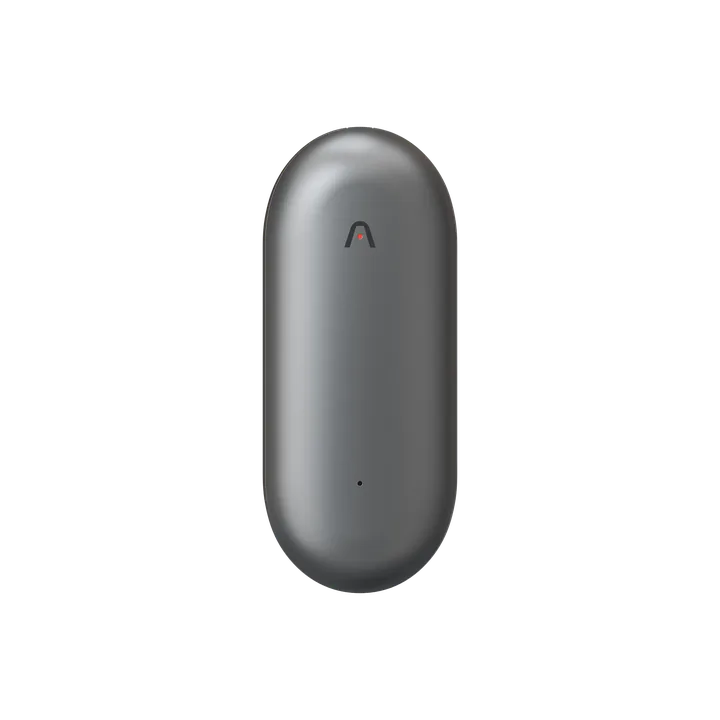
An AI pendant could be useful if you regularly finish conversations thinking, “What did we agree to do?” Think of three separate jobs: a small microphone captures speech, a service turns it into searchable notes, and an assistant may help you find answers or take actions. Those jobs do not automatically come together. The buying question is whether wearing a recorder makes a repeated task easier than using your phone, not whether you want an artificial second brain.
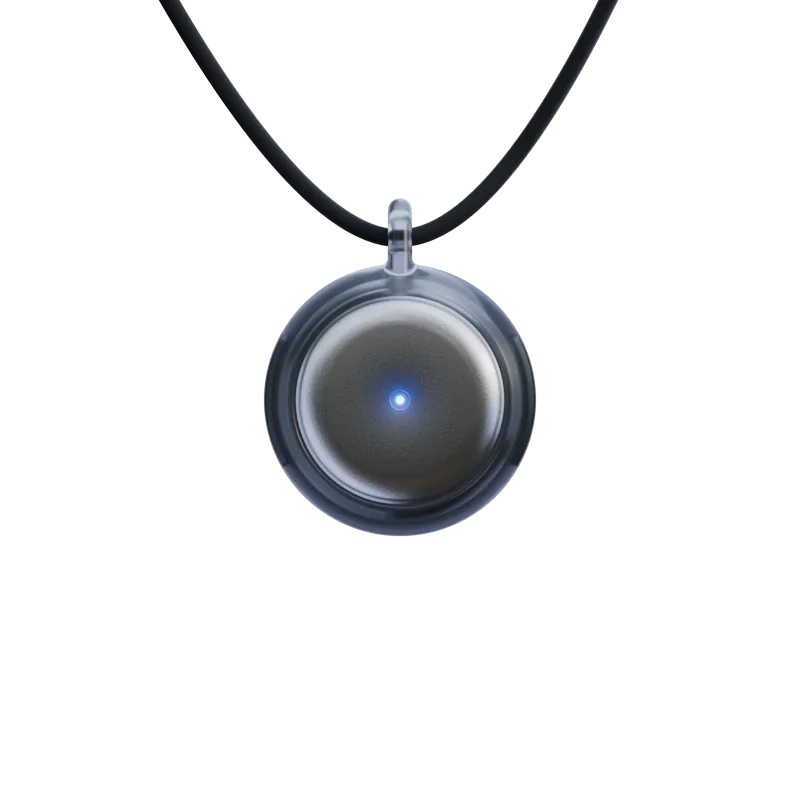
David Pierce's September 2024 test of the original Plaud NotePin shows the appeal clearly. At The Verge, he recorded ideas while walking his dog and found the necklace easier to reach than his pocketed phone. But a successfully transcribed reminder still sat in the app instead of becoming a reminder in his existing list. That was the software he tested then, not a verdict on today's integrations. Our takeaway is to follow one note all the way to the place where you actually use it.[1]
Erin Bashford's April 2025 NotePin review for Tom's Guide supplies a useful accuracy check. With a custom glossary, her unusual fictional character names were captured correctly. In another test, however, some lines were attributed to the wrong speaker. A pendant can therefore make brainstorming easier without producing a dependable account of who promised what. Before acting on a meeting summary, check names, amounts, deadlines and ownership against the original material, where available.[2]
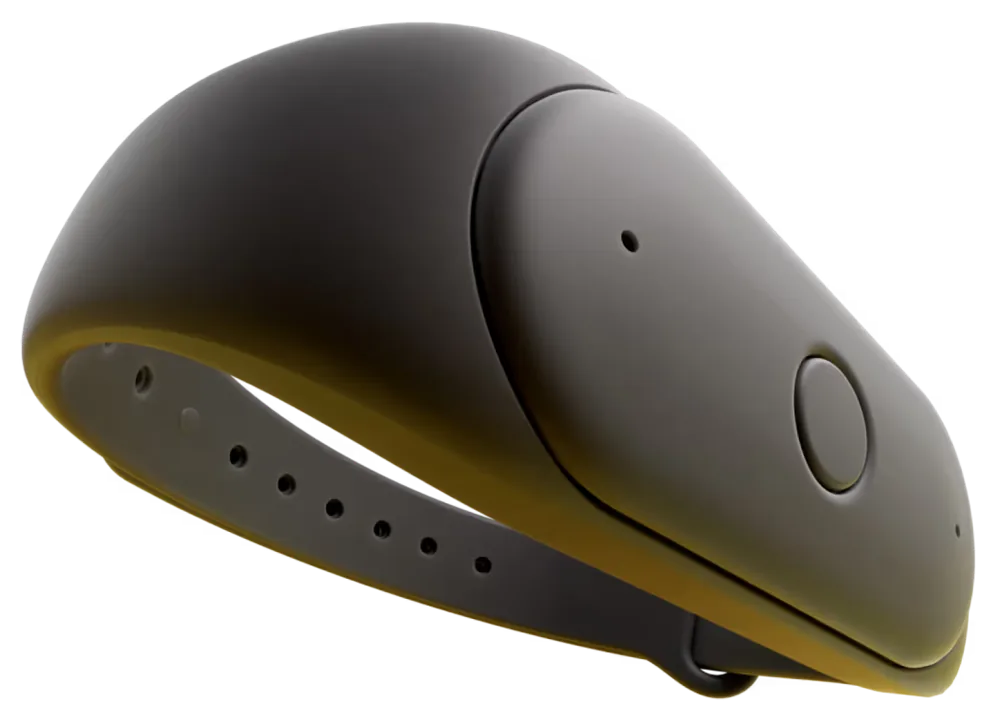
Victoria Song's month with Bee, published by The Verge in March 2025, illustrates the risk of collecting too much. A meeting summary captured useful pricing details, but later diary entries misinterpreted conversations and suggested tasks she did not need. This describes the version she tested, not a measurement of current Bee software. The lesson is to start with selected conversations rather than your entire day. As checked on 12 October 2026, Bee's Pioneer page lists the device as sold out and shipping only within the United States.[3] [4]
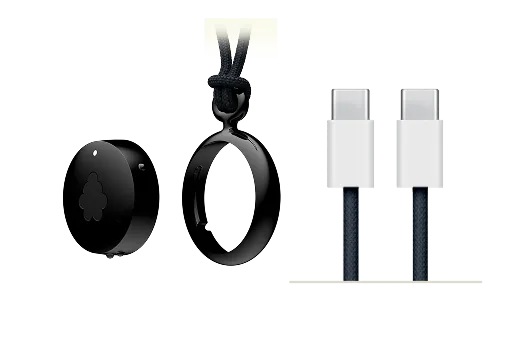
Count service use before buying hardware. Plaud currently includes 300 transcription minutes a month with NotePin; that is five hours, so six hour-long meetings exceed the allowance. Its original NotePin and newer NotePin S are separate models. Omi's cloud subscription guide also lists 300 free processing minutes, while recording and exporting audio can continue after that limit. Processing, storage and recording are different allowances. Check your region's current paid plans, and test whether you can export the notes you need before committing.[5] [6]
Privacy choices also change what you can check later. Fieldy's personal-use policy says audio is deleted after transcription processing and is not available to the user; transcripts can be exported. That may suit someone who wants less retained audio, but it removes the ability to replay a disputed sentence. Tell others before recording, respect their objections and check rules for your location and workplace. Try a week of deliberate phone recordings first. Buy a wearable only if easier capture leaves you with useful, checked notes you actually return to.[7]
Sources
- David Pierce / The Verge: original Plaud NotePin review ↗
- Erin Bashford / Tom's Guide: original Plaud NotePin review ↗
- Victoria Song / The Verge: month with Bee ↗
- Bee: current Pioneer listing and US shipping ↗
- Plaud: original NotePin and current starter allowance ↗
- Omi: current cloud subscription and recording after processing limit ↗
- Fieldy: personal-use audio retention and transcript export ↗