
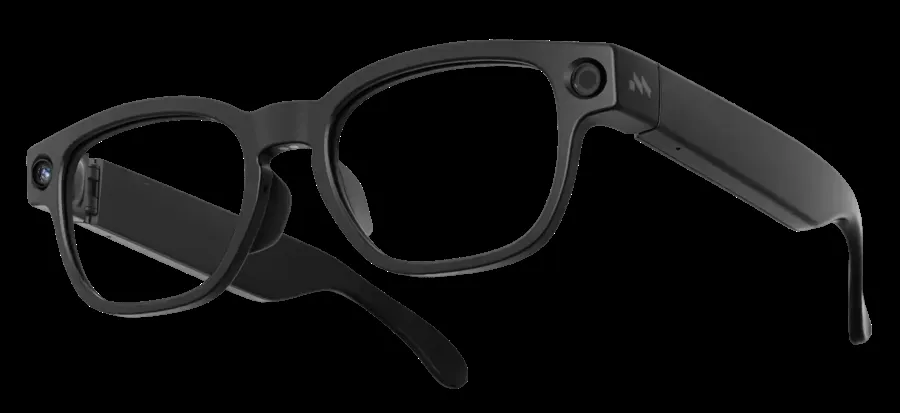
Smart glasses
97 profilesCameras, useful information in your eyeline, or a screen you can take anywhere. Find the right kind of glasses first.
Find a form factor, a useful task or an experimental system. Each device has one profile; related uses can appear in more than one type.
Cameras, useful information in your eyeline, or a screen you can take anywhere. Find the right kind of glasses first.
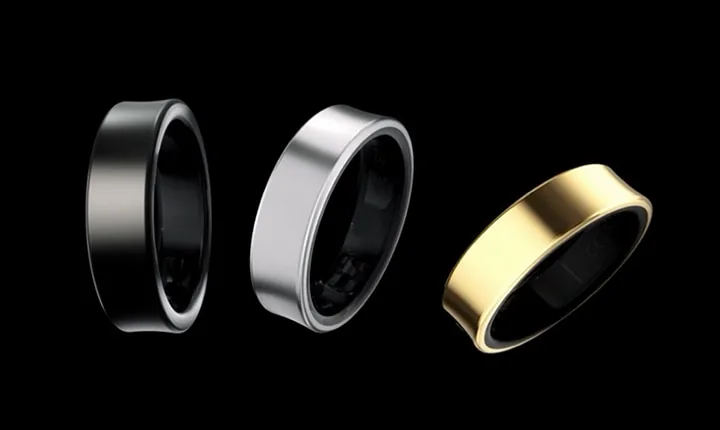
A quieter way to follow your daily patterns. Start with fit, phone compatibility and the cost of the app.
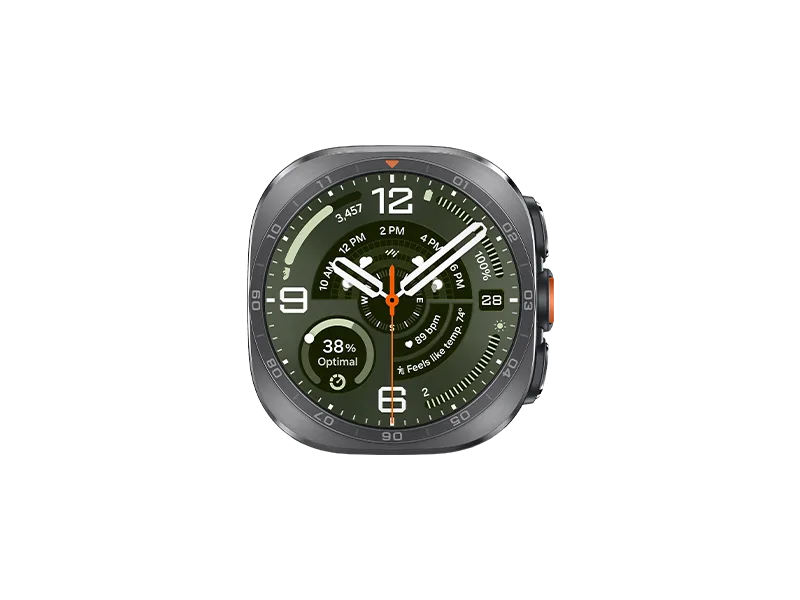
The everyday companion on your wrist. Explore the balance between useful features, comfort and charging.
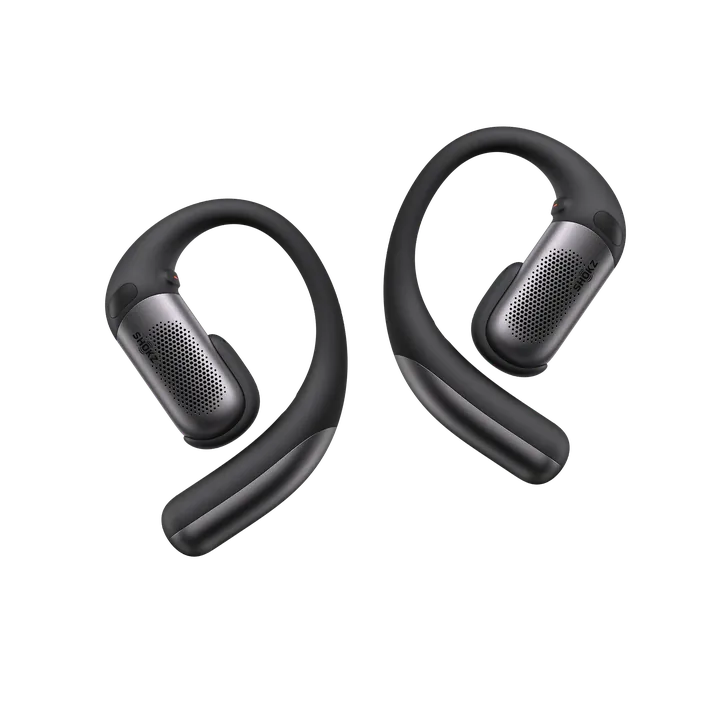
Sound, calls and connected features. Choose how much of the world you want to hear.
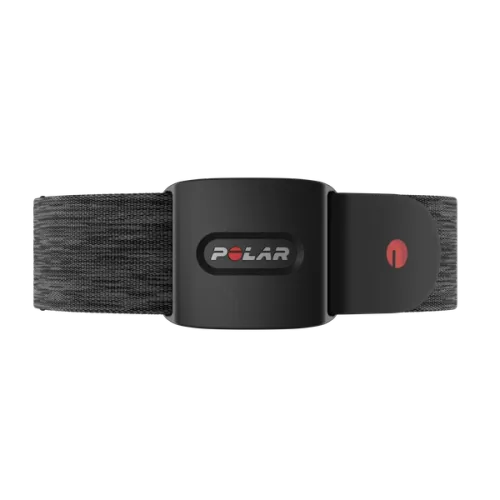
Explore the devices built around training, recovery and the routines that matter to you.
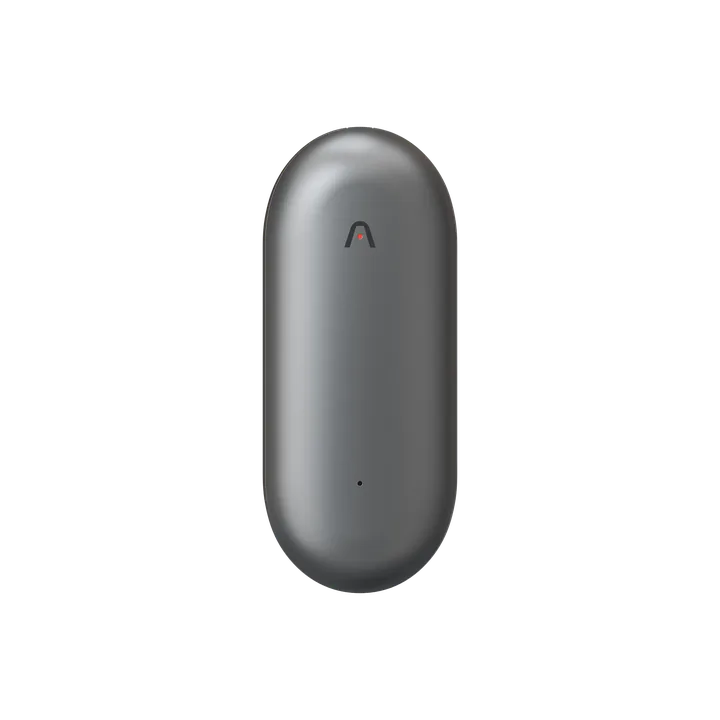
A closer look at ambient assistants, connected accessories and new ways to interact with technology.
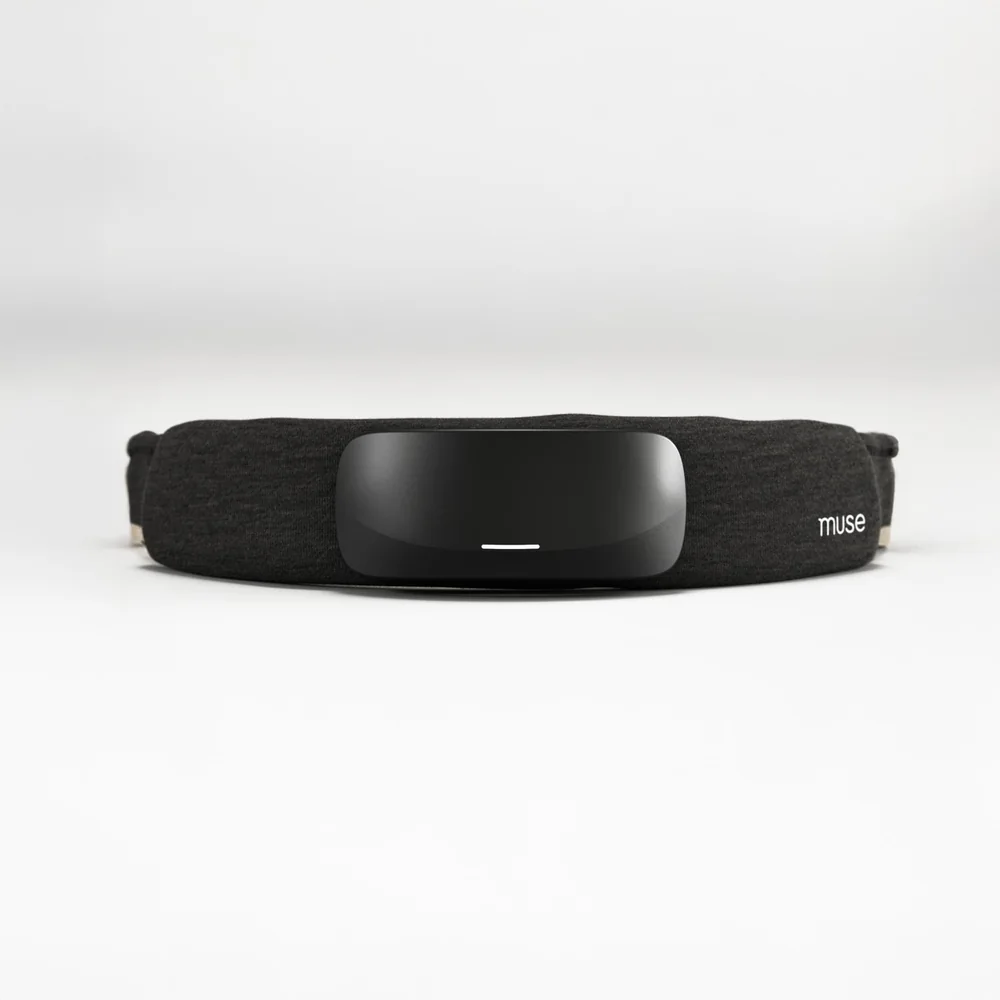
EEG sensing, neurofeedback, wrist interfaces and wearable controls. Medical stimulation and research systems are labelled individually.
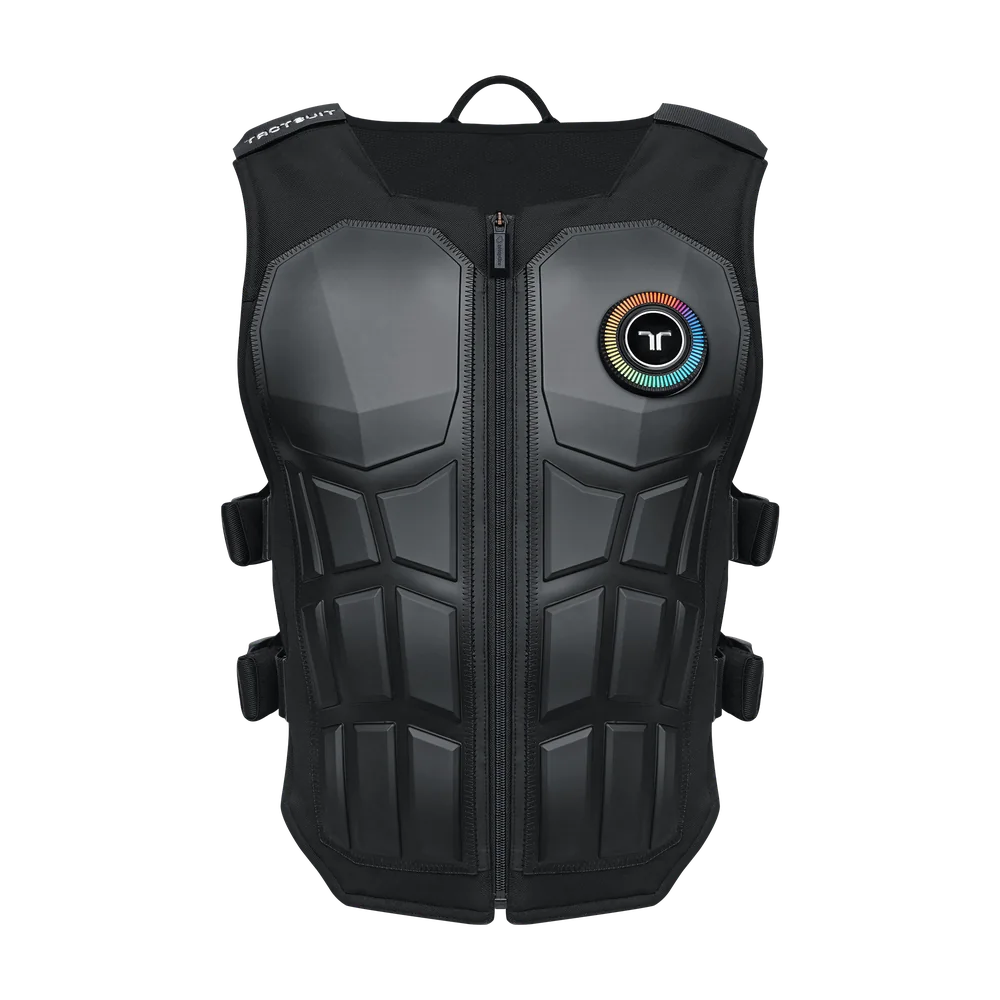
Wearable touch feedback, motion capture and hand tracking for games, creative work and professional systems.
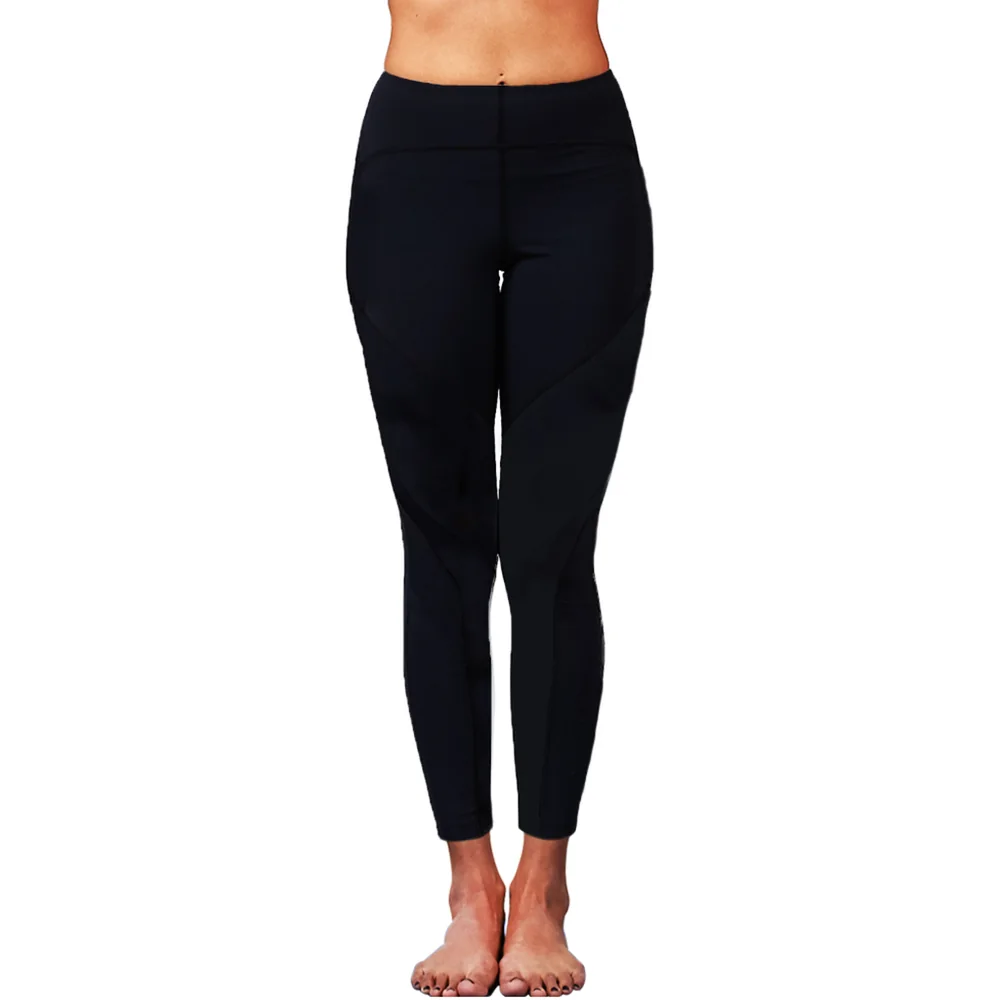
Sensors built into shirts, socks and insoles, plus electronic clothing. Connected, passive and powered-only designs are distinguished.
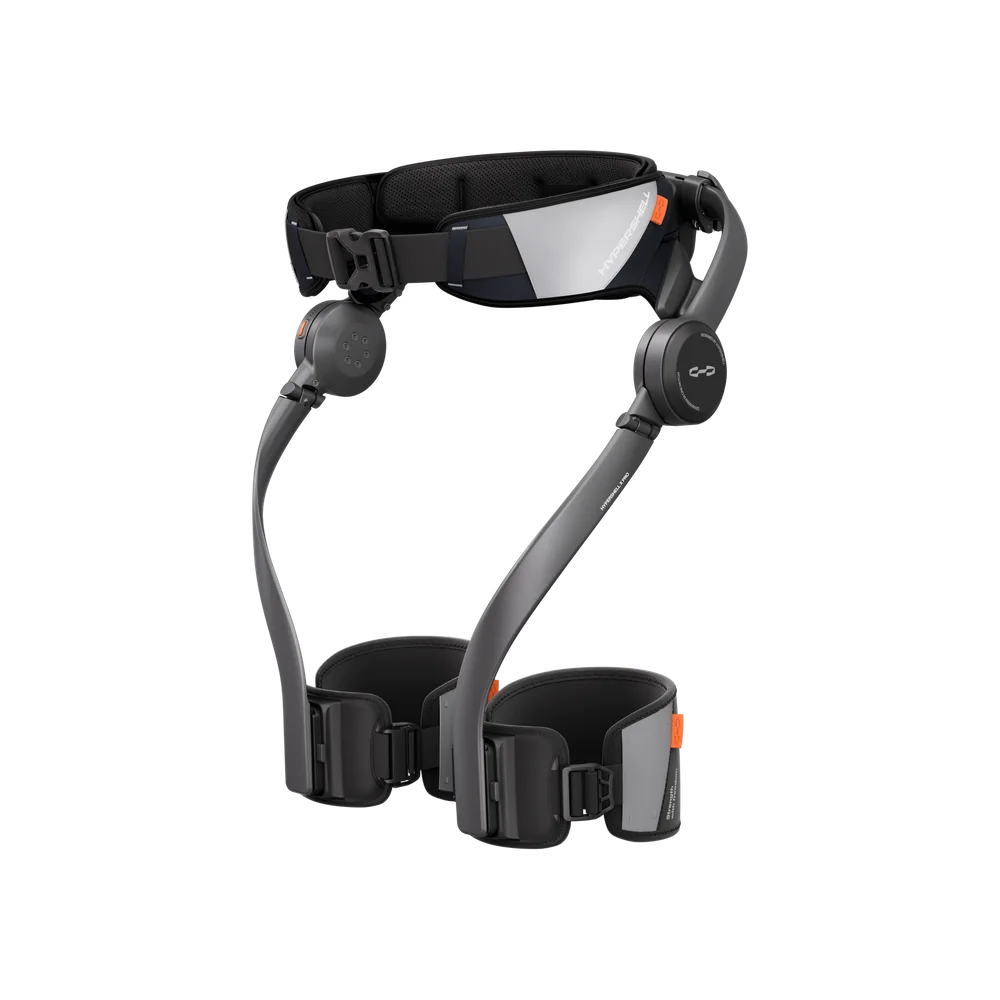
Exoskeletons, powered footwear and bionic systems. Everyday assistance, industrial use and clinical rehabilitation are different jobs.
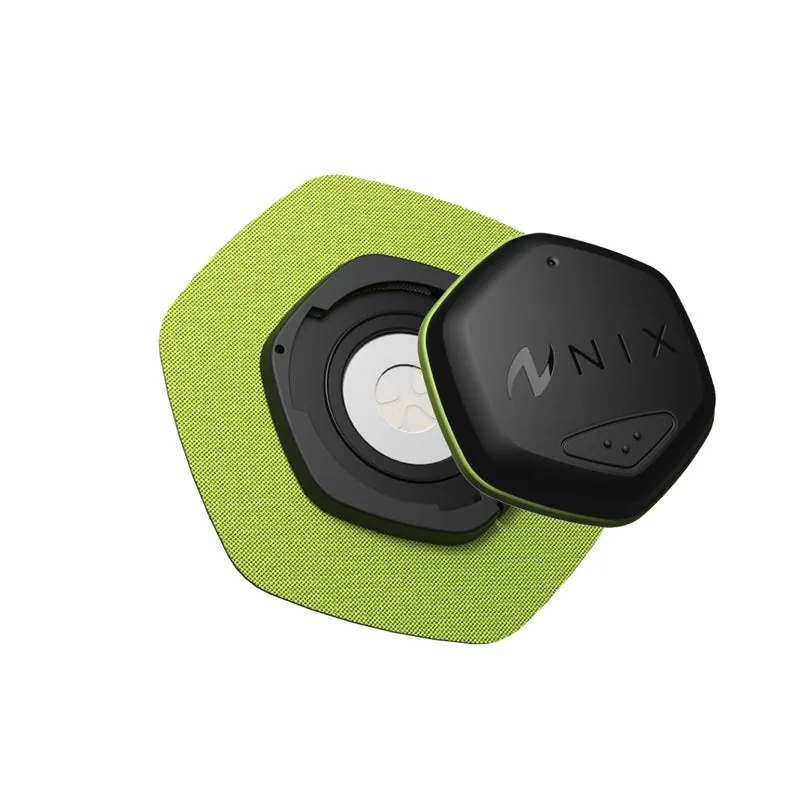
Body-worn glucose, sweat, temperature and cardiac sensors. Wellness and medical intended use depend on the exact model and market.
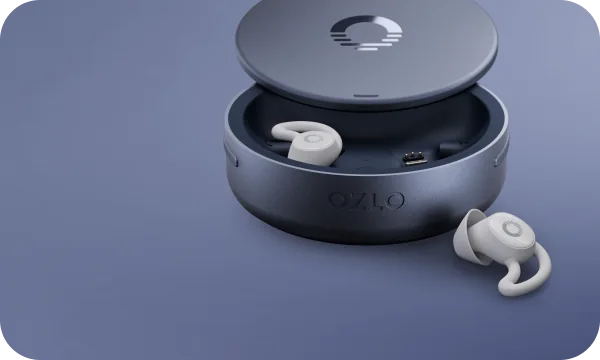
Sleep audio, body feedback and recovery systems. Read the intended use, evidence and ongoing service requirements.
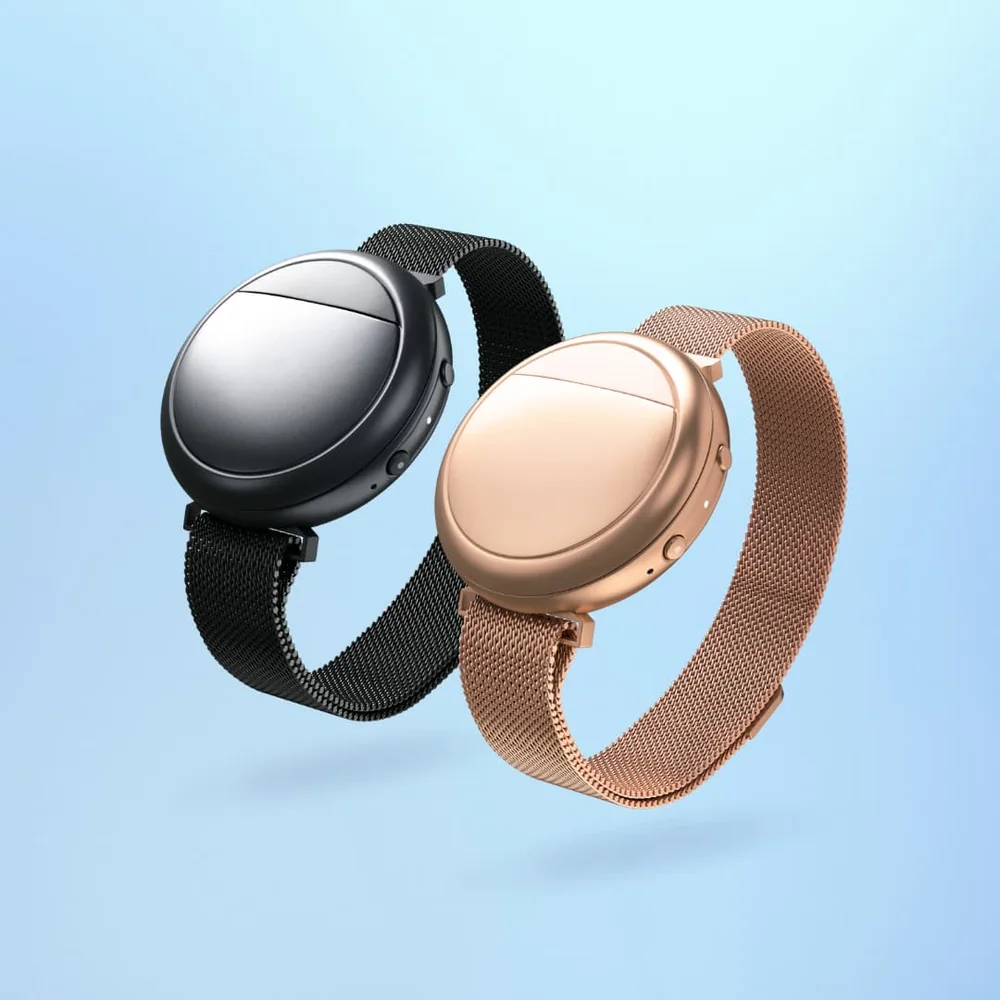
Personal warming and cooling at the wrist, neck or in clothing. Compare the mechanism and power requirements first.
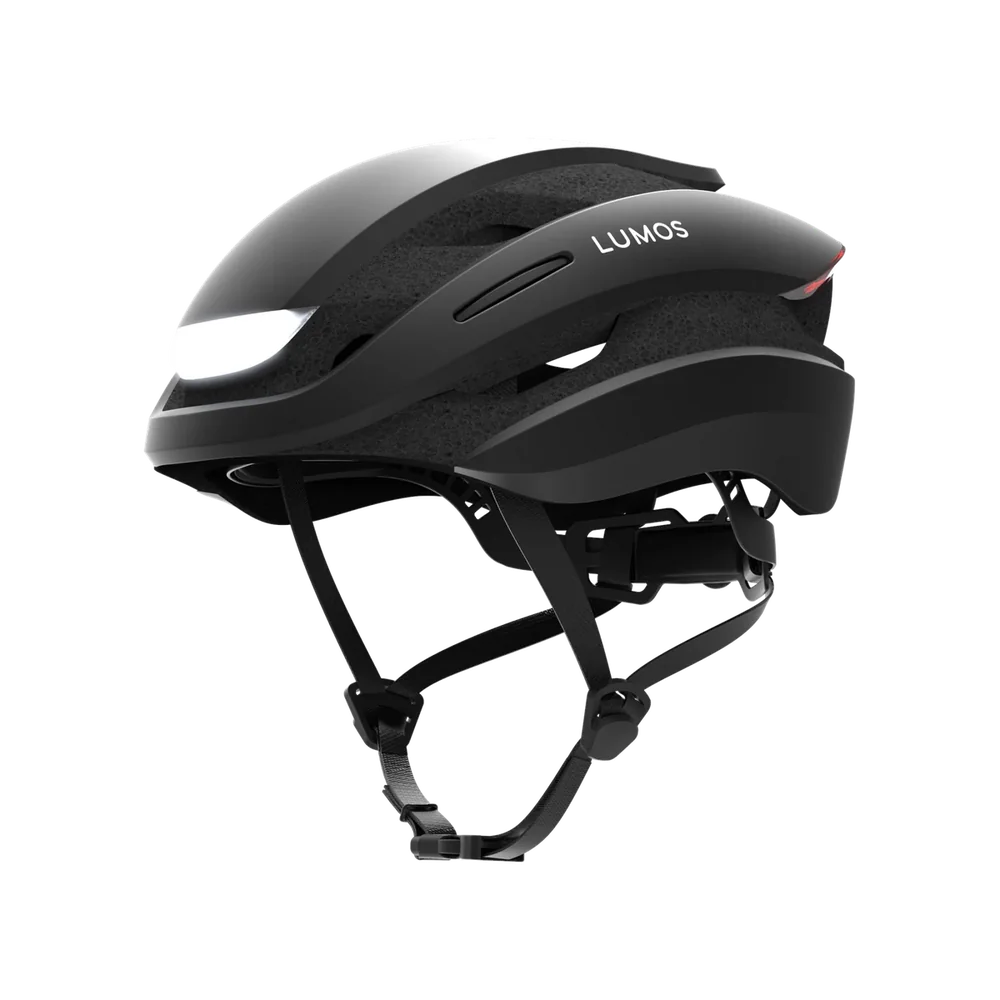
Connected helmets, airbags, personal safety accessories, assistive vision and professional body-worn equipment.
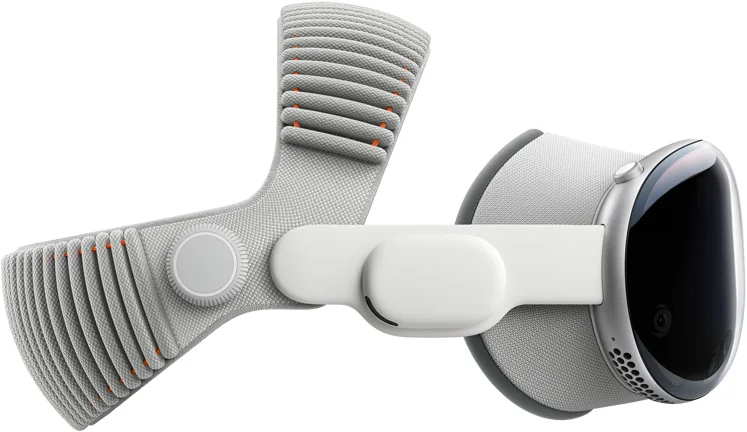
Standalone and computer-connected virtual or mixed reality headsets, including professional research systems.
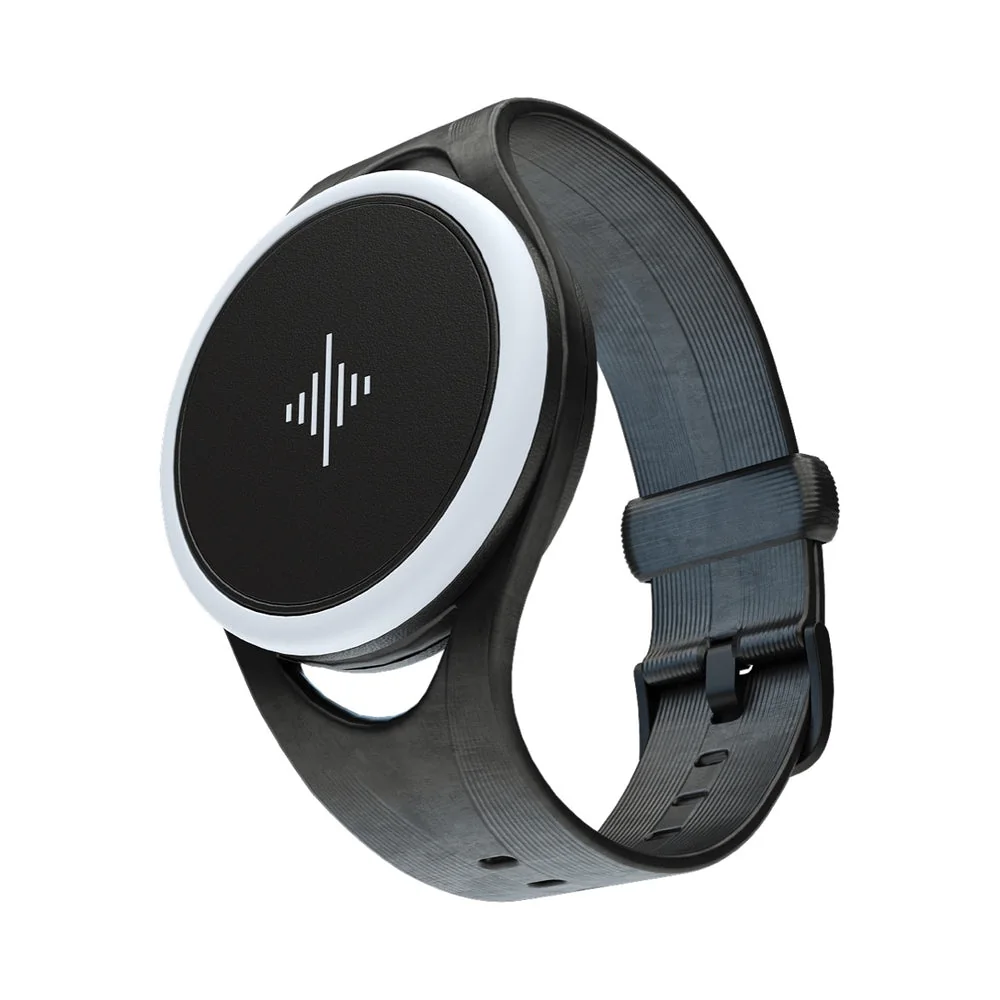
Wearable metronomes, gesture instruments and body-felt audio for music, games and creative work.
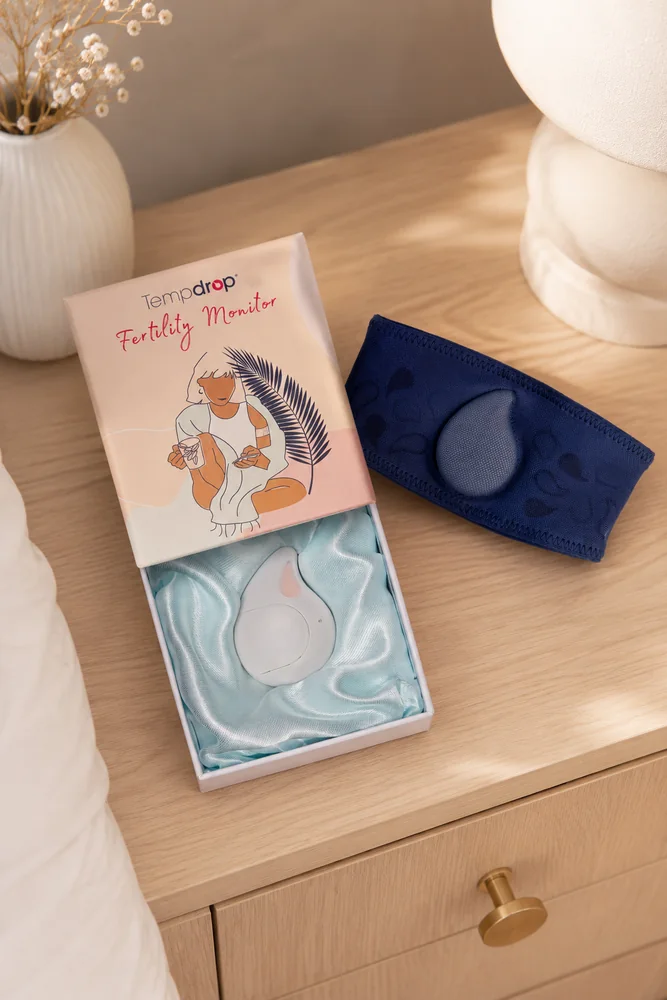
Wearable cycle sensors, connected breast pumps and pelvic biofeedback. Product intended use and clinical guidance are model-specific.
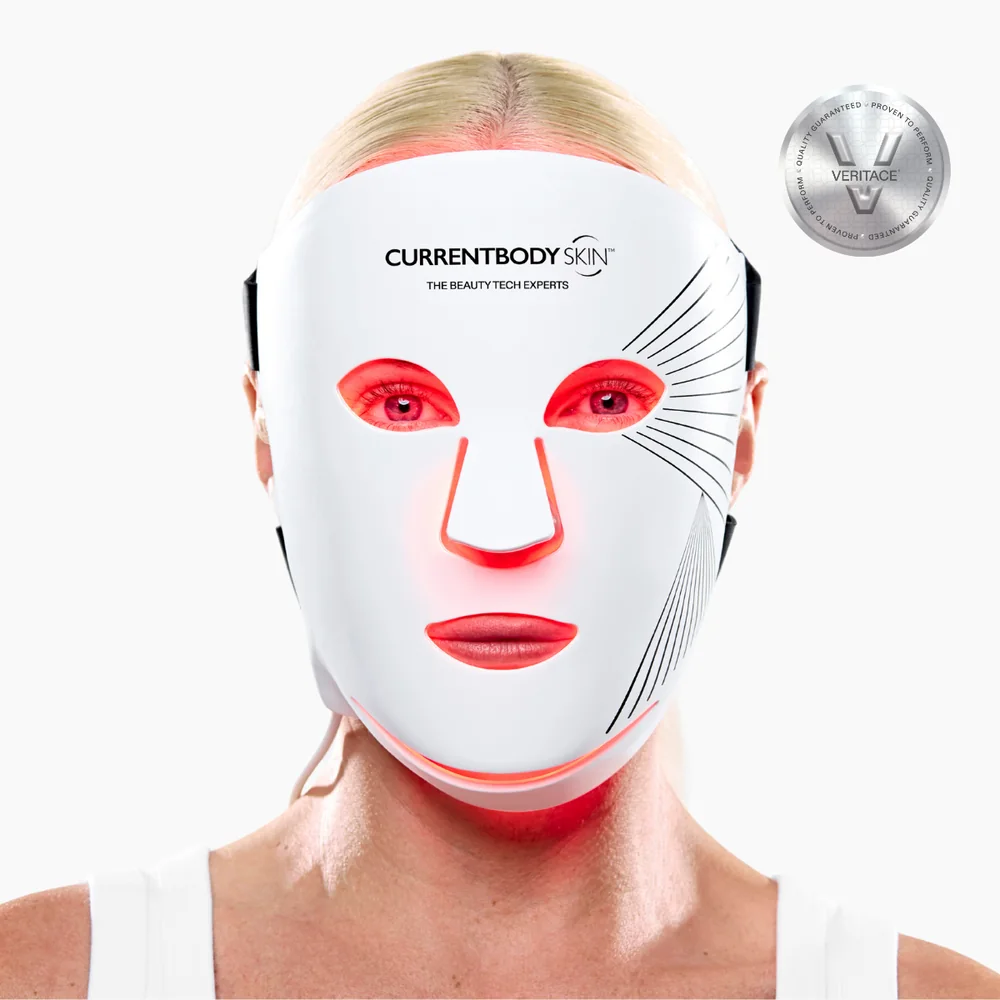
Body-worn light devices and exposure sensors. Electronic operation does not automatically mean connected or autonomous features.
Connected intimate devices for adults, described through their hardware, controls and compatibility.
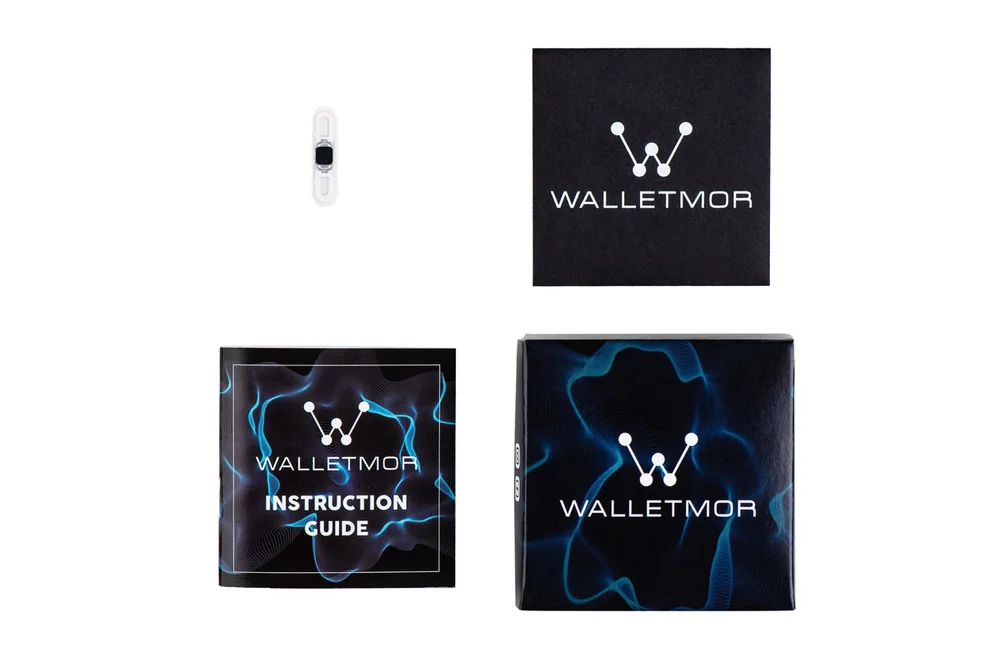
Physical prototypes, experimental interfaces and investigational systems. Research demonstrations are distinct from products you can buy.
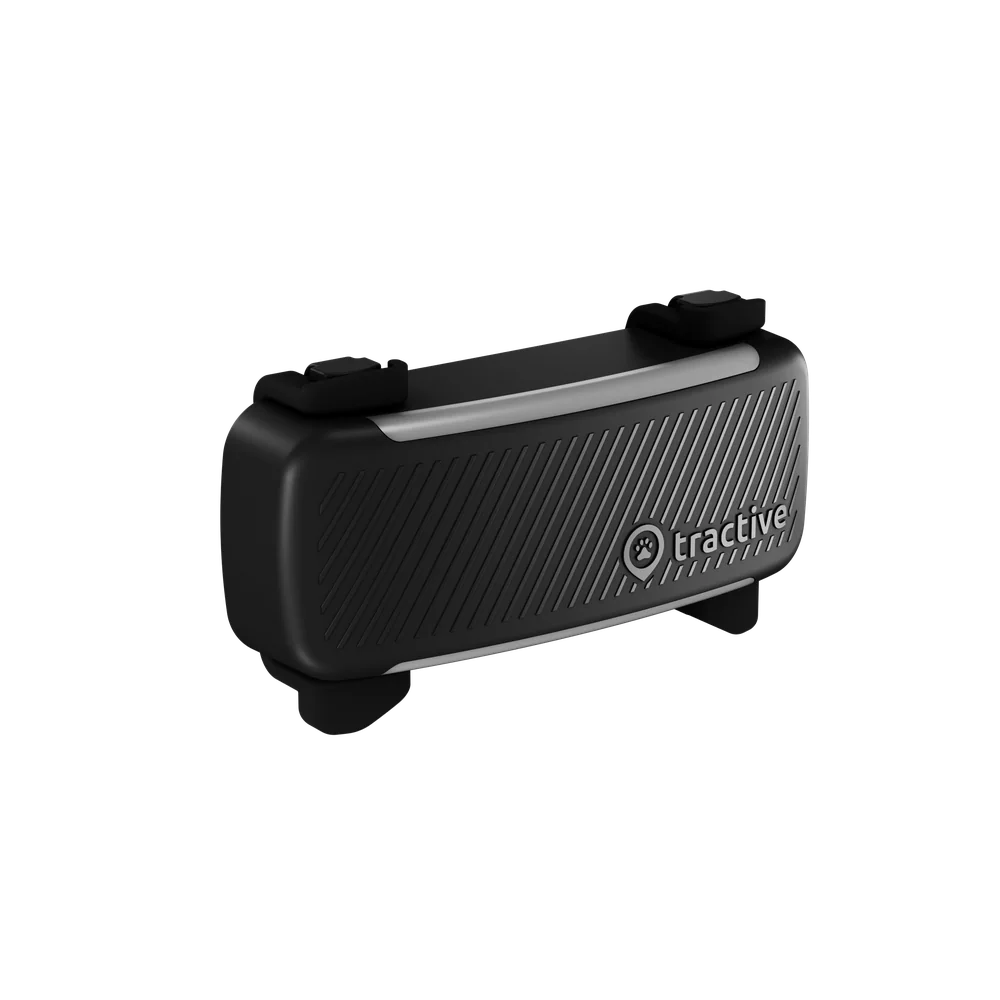
Location and health wearables designed for animals, with model-specific fit, subscriptions and service coverage.