
Neuralink
Neuralink investigational BCI
InvestigationalInvestigational implanted brain-computer interface intended for computer interaction.
Price not verified
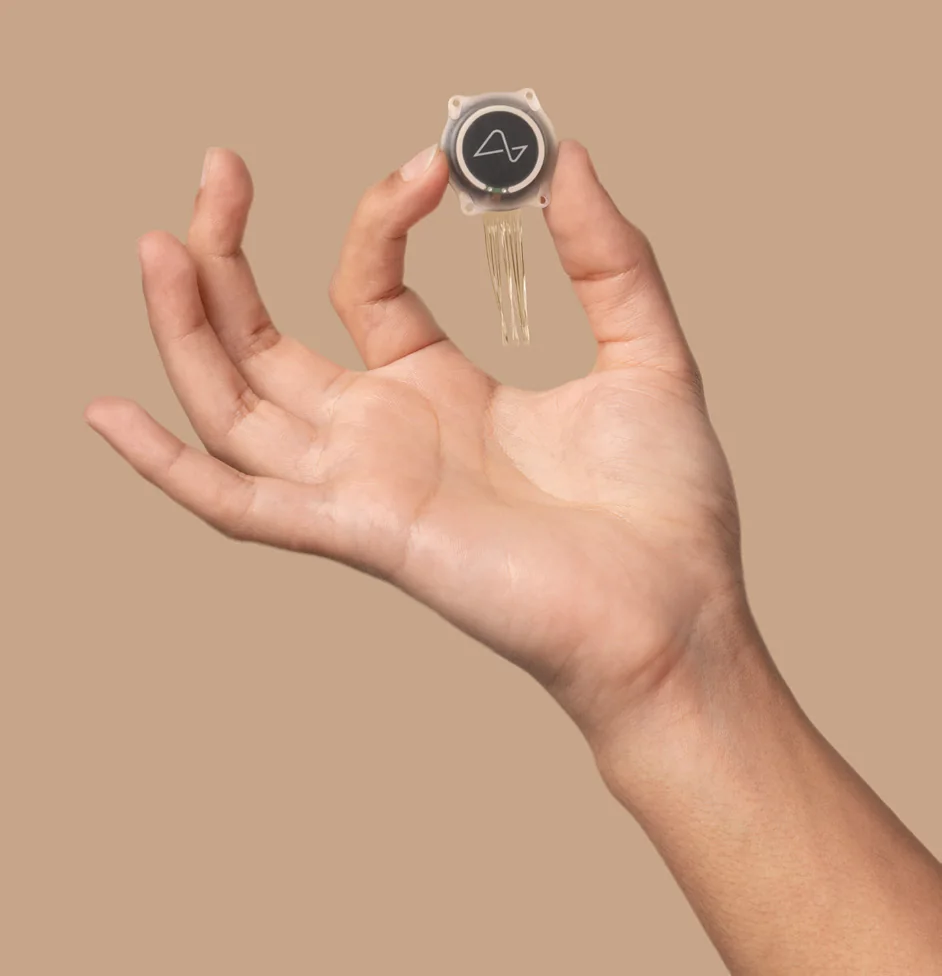
Neuralink photograph of N1 implant held in a hand, extracted unchanged from PRIME Study brochure page 2.
- Not a consumer wearable. Trial eligibility, surgery and risks are handled by clinical teams; current trial conditions require specific verification.
Neuralink investigational BCI: Understanding a high-channel implanted interface
An original synthesis of the linked evidence. SmartWearGuide has not hands-on tested this device.
Neuralink's investigational system combines a surgically implanted recording device with a computer-control objective. Its PRIME study material describes the N1 implant, fine recording threads and a purpose-built insertion robot. For a reader interested in wearables, the significant shift is that the interface is no longer worn on the surface: sensing, maintenance and access become clinical questions.
The study brochure specifies an early investigation of safety and initial functionality for people with substantial movement impairment. Its channel count is a design fact, not a consumer performance score. More recording sites alone cannot establish better everyday communication, fewer complications or less training than another approach. The long follow-up commitment described in the study also underlines that implantation is not equivalent to trying a removable headset.
We include Neuralink because it makes the ambitions and tradeoffs of implanted control tangible. Its research significance is substantial, but the useful questions are about dependable control, daily support and outcomes over time. This entry does not generalise from a demonstration to treatment success or from one participant to all potential users. It belongs in a research selection with explicit investigational status, rather than alongside ordinary products someone can order and return.
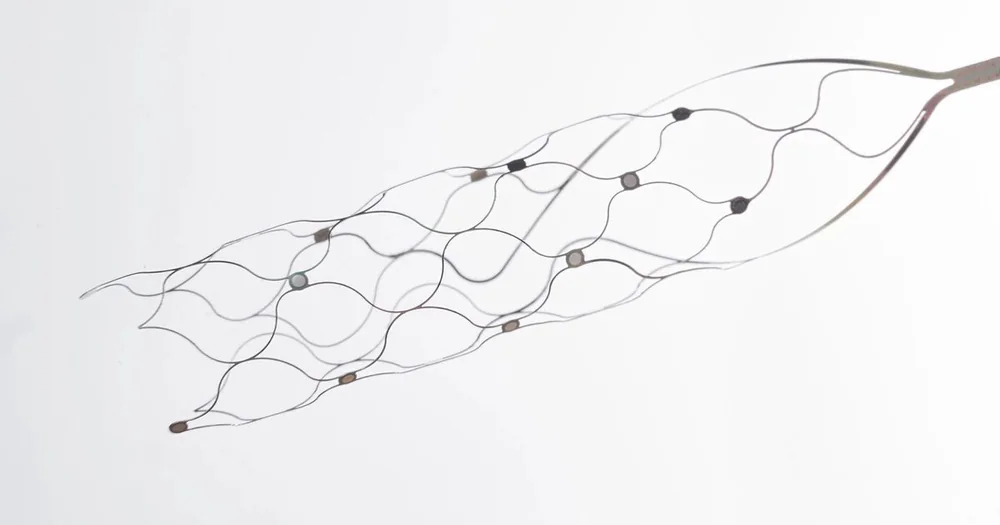
Why #5 in this selectionFifth as a prominent, clearly specified investigational architecture. It follows Stentrode to show a contrasting implantation approach; this ordering is not evidence that either is clinically preferable.
The compromiseThe PRIME material describes investigation, not general sale. Surgery, eligibility, training and long follow-up are material commitments, and a specification sheet cannot settle comparative clinical performance.
[1] Official 174 source [2] neuralink-investigational-bci-0
Evidence behind this review
Research or specialist medical evidence brief. This is not a consumer hands-on review or a treatment recommendation.
Official 174 source manufacturerRelease date not verified · Research or specialist clinical access
Catalogue status: Investigational. A research publication or demonstration is not a retail release.Key details
- Designed for
- Investigational brain-computer interface ↗
PRICES & AVAILABILITY
Prices & availability
Price settingsMarket & sorting
No verified price in this audit.
Research/clinical system or custom clinical supply; paper prices, grants, treatment fees, insurance reimbursements and component costs are not a device retail price.
Not a consumer wearable. Trial eligibility, surgery and risks are handled by clinical teams; current trial conditions require specific verification.
Prices are snapshots, not a live stock feed. Taxes, shipping, prescription lenses and accessories can change the total.
Specifications
- Designed for
- Investigational brain-computer interface ↗
- Form factor
- Implanted brain interface with external computing ↗
- Input
- Neural signals ↗
- Output
- Computer interaction ↗
- Clinical Access
- Clinical trials / participant screening ↗
- Consumer Retail
- No ↗
- Device
- N1 implant ↗
- Power & output
- Rechargeable wirelessly ↗
- Electrodes
- 1024 electrodes across 64 threads ↗
- Wireless
- Wireless signal transmission ↗
Similar devices
THE COMMUNITY
Experiences, questions & ideas.
Own it, tried it, or still deciding? Share what matters to you.
Start the conversation.
No comments yet. Your experience could help the next person choose.