Before buying an AI recorder, follow a recording all the way out
Local capture, transcription, export and deletion are four separate steps. Reviews expose the work hiding between them.
 SmartWearGuide · 2026-10-12
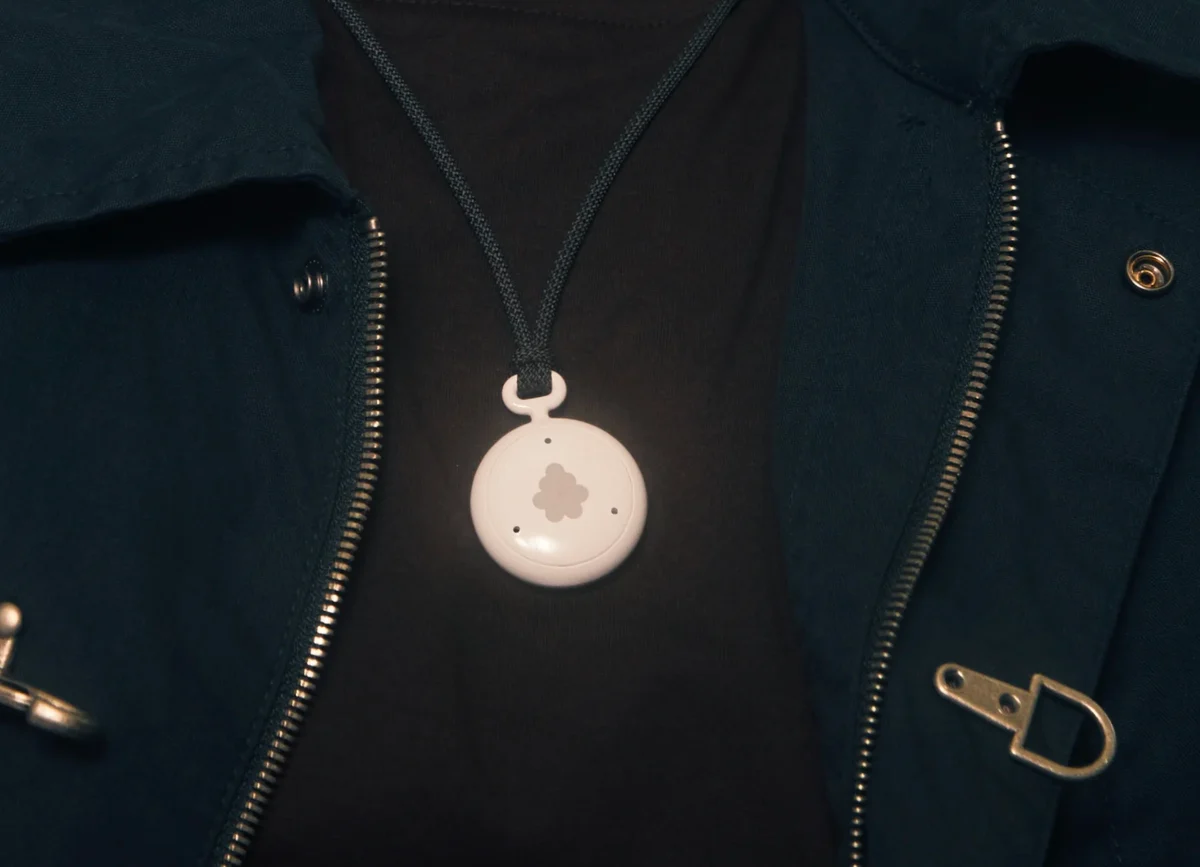
David Pierce's September 2024 NotePin test for The Verge found the wearable easy to reach, but the resulting notes left him with another app to manage. He still had to import recordings, select processing and return for results. A shopping reminder became a titled note rather than a reminder delivered into his existing list. That dated experience supplies a useful buying task: follow one real recording into the application where you will use it.[1]
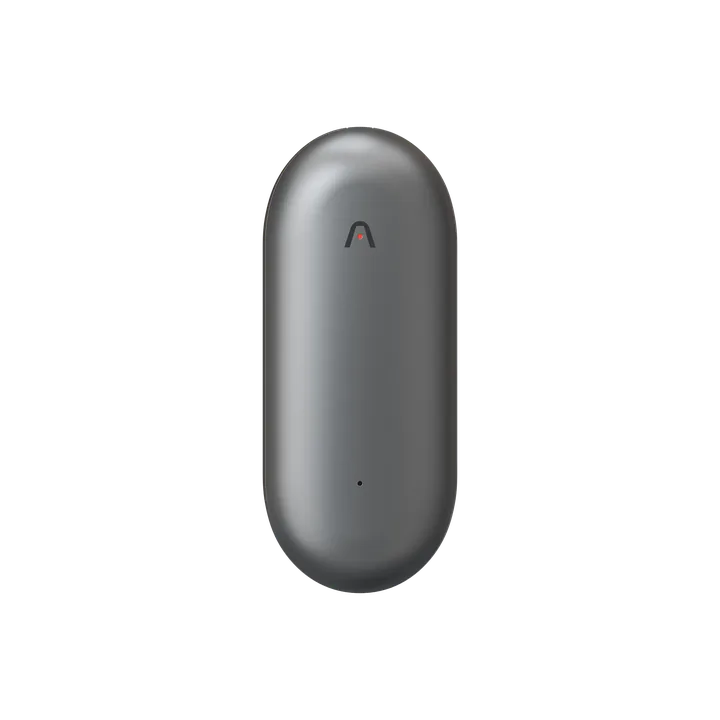
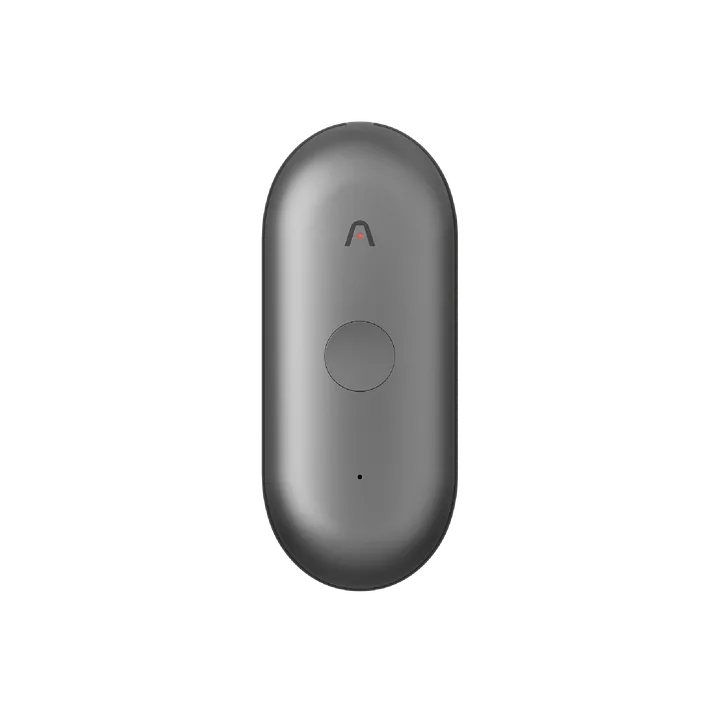
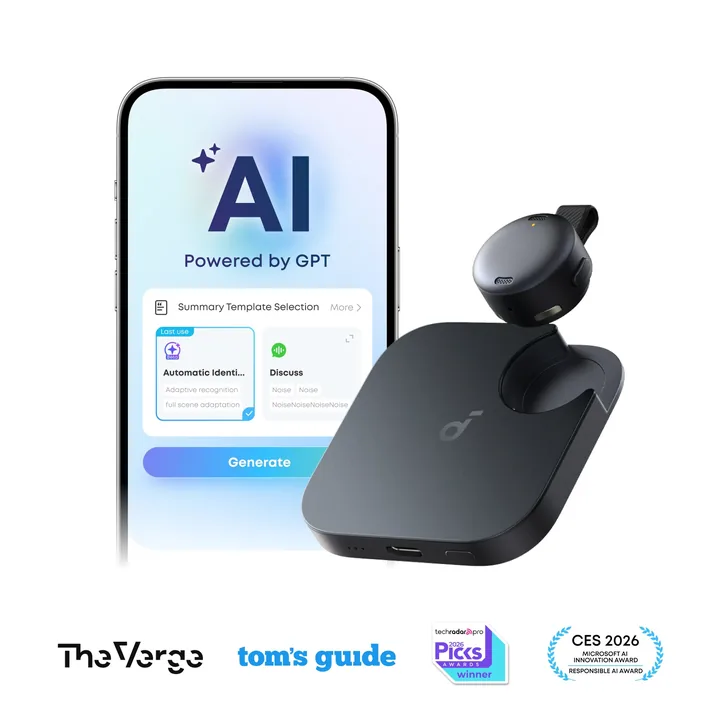
Nicolas Guyot's January 2026 Clubic Work test found Android syncing fast once he opened soundcore's app. The USB port could charge the hardware, but could not retrieve files. He also accidentally stopped recordings with the sensitive button and started others while carrying it in a pocket. Transfer speed therefore did not settle whether the recording was complete. When French and English mixed, transcription needed more correction, particularly around names and punctuation.[2]
Erin Bashford's original NotePin review for Tom's Guide liked its custom prompts, yet a script-format test assigned some of her colleague's lines to her. She also struggled to stop capture from the device and resorted to the phone app. These are specific test outcomes, rather than an error rate for every recording. They make playback and editable speaker labels valuable steps before a transcript is sent to somebody else.[3]
Current NotePin S support says its 64GB storage preserves offline recordings, while syncing and AI processing need connectivity. Plaud documents audio export in MP3, plus WAV from its mobile app. Offline capture is therefore not offline transcription. Check the export route with a sample file before relying on it for travel; a recording waiting for upload and a usable transcript already on your computer are different states.[4] [5]
Fieldy's personal-use policy takes a different route: audio is deleted after processing, while transcripts can be exported and individually deleted. Its organization-account exception can permit audio and transcripts to be delivered to an employer's systems under a separate agreement. If preserving original audio matters to your work, establish which account arrangement you will use before choosing the device.[6]
soundcore's current Work page says USB export remains unavailable, and its immediate cloud-audio deletion promise applies only when Cloud Storage is disabled. It now advertises a web portal, so Guyot's earlier absence of a web app should not be repeated as a current limitation. Test capture, export and deletion with an unimportant recording, then choose the workflow whose remaining manual steps you can tolerate.[7]
Sources
- David Pierce / The Verge: original Plaud NotePin review ↗
- Nicolas Guyot / Clubic: soundcore Work multilingual test ↗
- Erin Bashford / Tom's Guide: original Plaud NotePin review ↗
- Plaud: NotePin S offline capture and online processing, updated September 7, 2026 ↗
- Plaud: current export formats and app/web distinction, updated September 22, 2026 ↗
- Fieldy: service processing and requested calendar changes ↗
- soundcore Work - official specifications ↗