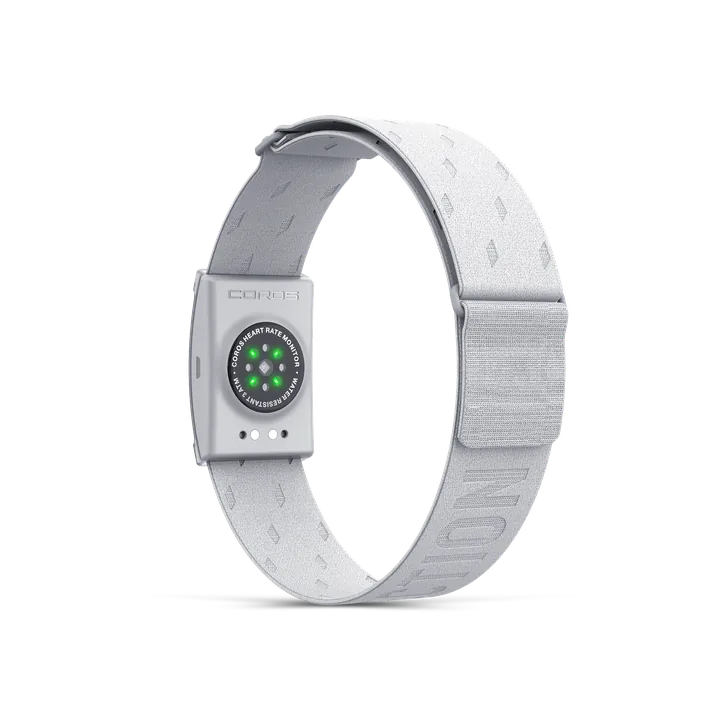
Chest strap or armband: decide where the workout file will live.
Comfort, onboard memory and the start button can decide which heart-rate sensor gets used consistently.
 SmartWearGuide · 2026-10-12
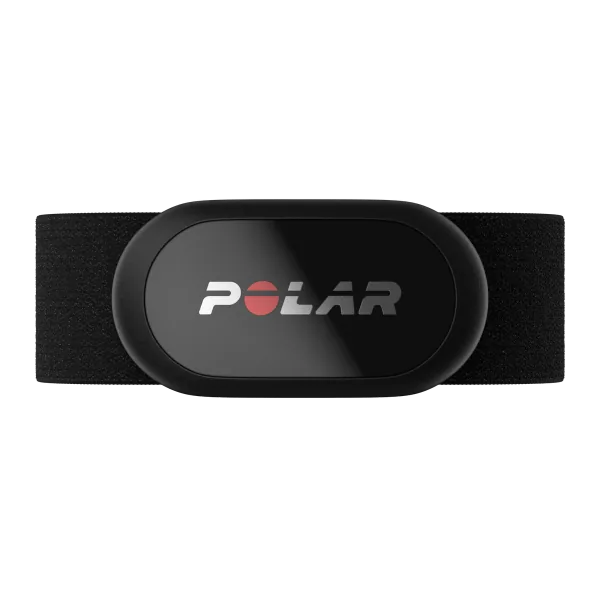
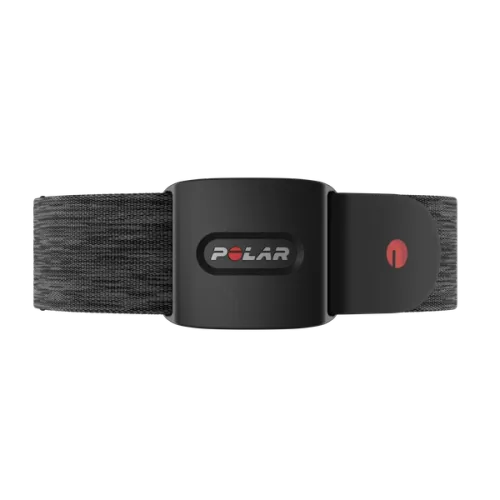
Polar H10 and Verity Sense both record without a watch, but the setup differs. The H10’s manual starts its single stored session through Polar Beat before the phone can be left behind. Verity Sense first needs a Polar Flow account; after that, its button selects recording mode and starts a session on the sensor, with a later sync to Flow. Check that sequence before buying a sensor for a class where neither a watch nor a phone is practical.[1] [2]
Michael Sawh’s March 2021 TechRadar Verity Sense test found the arm strap comfortable and stable through running, interval work, home HIIT and indoor rowing. Operating its button beneath a long sleeve was awkward, so he preferred starting before getting dressed for the session. He also found the small charging cradle easy to misplace. He could not test swimming during lockdown. That older land-workout report supports a useful comfort judgment, but it does not establish today’s swim performance or current firmware endurance.[3]
Emma Cole’s January 2025 Cyclingnews H10 test challenged the assumption that every chest strap is irritating. She found its silicone grips kept the soft strap secure without rubbing, and it remained comfortable during long training sessions. Indoor cycling gave it plenty of sweat, although she had not tested hot-weather conditions. The buckle and adjustable fit helped. Her objection was the coin-cell battery, a preference to weigh against how many devices already queue for a charger at home.[4]
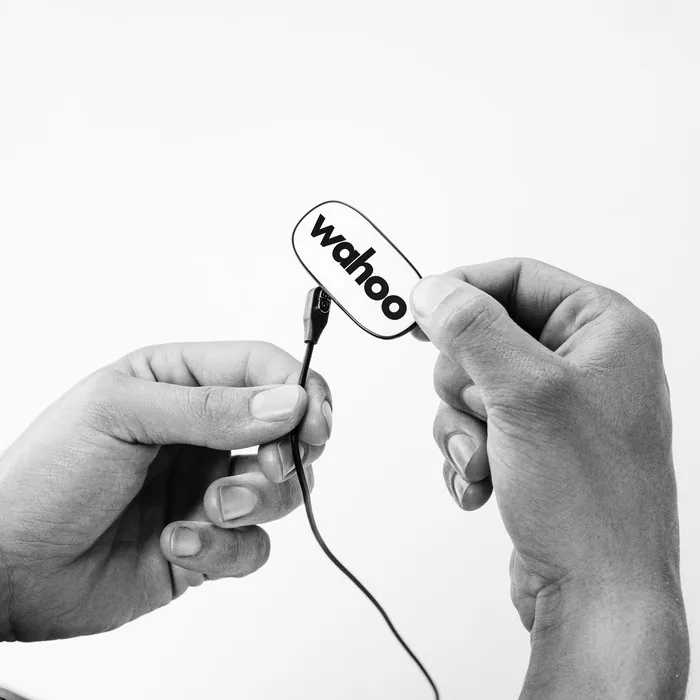
Laura Juozaponytė’s August 2026 Wareable TRACKR test found setup took less than a couple of minutes and interval changes appeared promptly, while her Apple Watch responded more slowly. She liked the straightforward heart-rate summary. Her useful qualification was about what did not come with it: advanced running-form metrics were absent, and the app lacked a heart-rate-based alert she wanted. The strap can supply a clean signal while leaving coaching, alerts or more detailed analysis to another device or application.[5]
Battery claims also need their dates kept straight. Sawh tested the Verity Sense against its original twenty-hour claim; Polar’s current manual now lists up to thirty hours. That is a manufacturer update, not a new result from his old sample. Prefer H10 for its documented single-session memory workflow if starting from a phone is acceptable, or Verity Sense for button-controlled recording after setup. With a broadcast-only sensor, keep a compatible recorder active. Practise stopping and syncing once before trusting the arrangement for a session you care about.[6] [3]
Sources
- Polar H10 manual: sensor memory and Polar Beat workflow ↗
- Polar Verity Sense manual: recording without a receiver ↗
- Michael Sawh: Polar Verity Sense land-workout testing ↗
- Emma Cole: Polar H10 heart-rate monitor review ↗
- Laura Juozaponytė: Wahoo TRACKR HEART RATE review ↗
- Polar Verity Sense - current technical manual ↗