Why good earbuds can still make you sound dreadful on a call
Street calls, case microphones and fit-sensitive voice sensors produce different results. Named tests reveal more than a microphone count.
 SmartWearGuide · 2026-10-12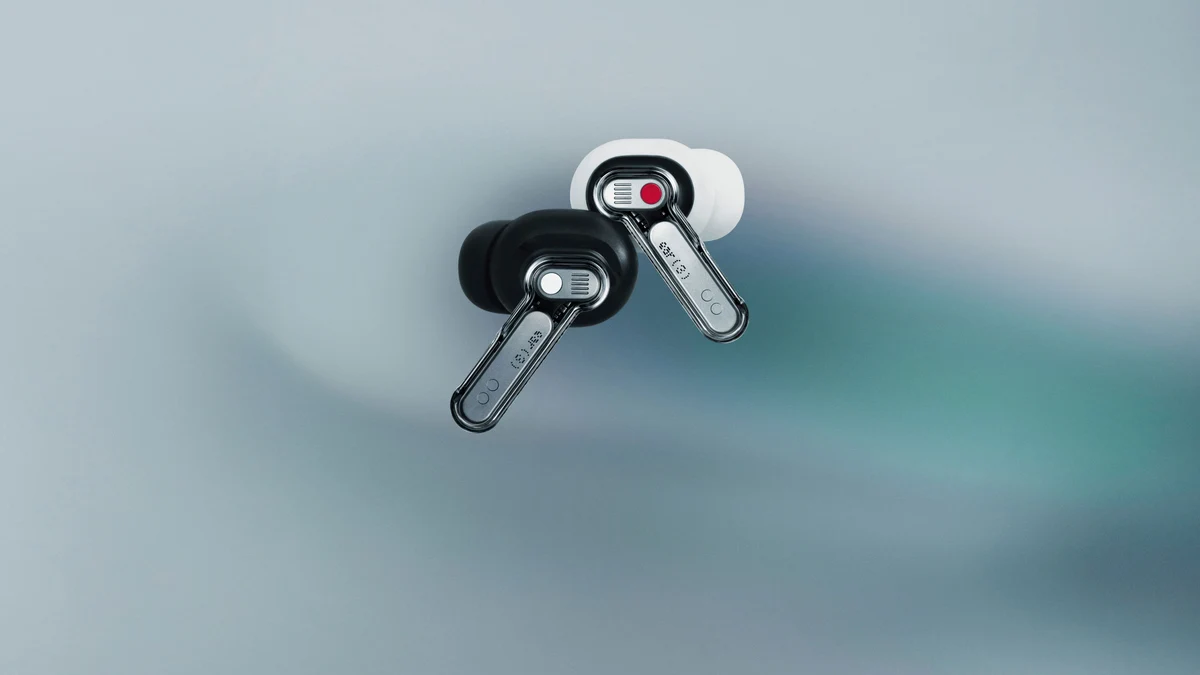
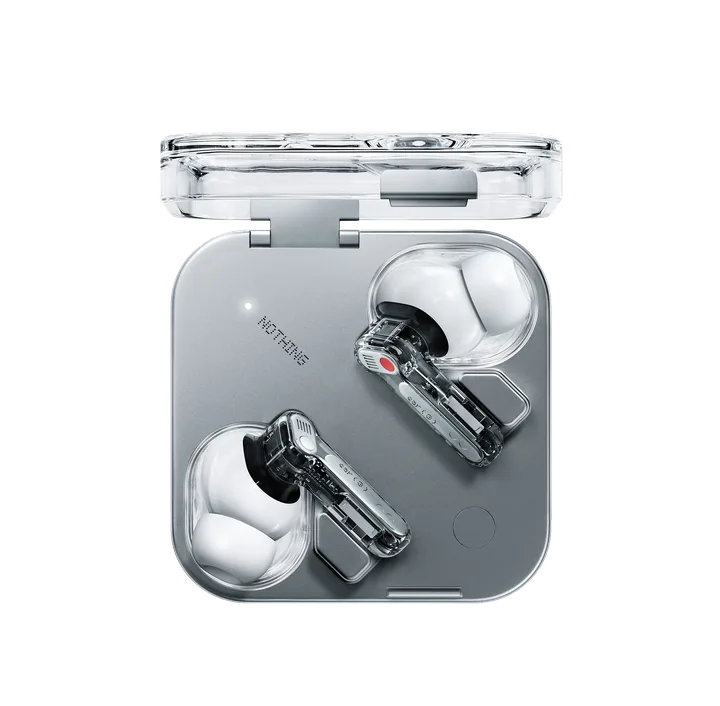
Nikita Achanta's calls with Nothing Ear (3) sounded acceptable to her partner, but passing cars and nearby conversations intruded. Her indoor recording with the charging case's Super Mic removed distractions more effectively, although speech remained slightly muffled. The April 2026 Tom's Guide review describes different results from different microphone paths. A tidy indoor recording does not settle how a hands-free call will sound while you walk down a busy road.[1]
Adam Birney reached a less enthusiastic verdict at SoundGuys. In his one-week Ear (3) test, firmware 1.0.1.59, the case microphone clipped less than the earbuds but still sounded processed and muffled to him. He found it useful for quick voice memos, while holding a case beside his mouth during calls felt awkward. The reviewers agree on some compression of speech; they differ on how worthwhile the extra microphone is.[2]
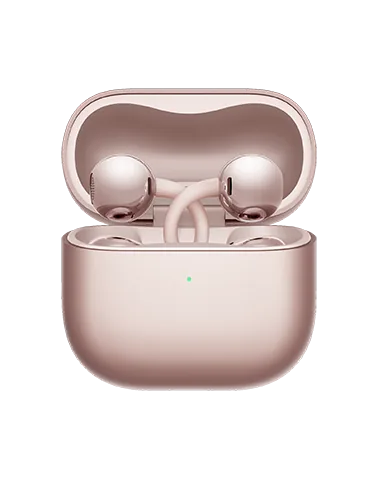
Huawei's FreeClip 2 shows why removing background noise and preserving a natural voice deserve separate questions. Kashfia Kabir and the What Hi-Fi? team could hear each other with fewer interruptions than with the original FreeClip, even on a rainy, windy road. Yet voices still sounded mechanical compared with AirPods 4 or the phone itself. Their January 2026 experience supports improved intelligibility in that setting, rather than an across-the-board win for voice quality.[3]
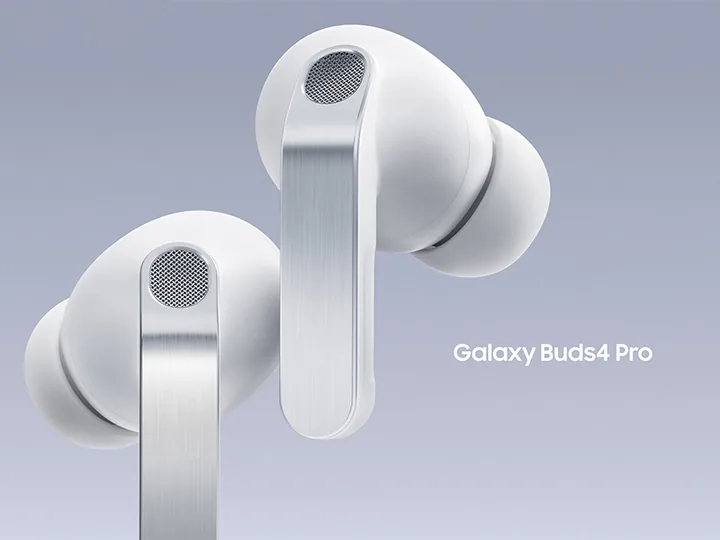
Fit can change the signal before software gets involved. Christian Thomas's early Galaxy Buds4 Pro test at SoundGuys found that an insufficiently seated earbud might fail to engage its bone-conduction voice pickup, letting more wind and other noise into calls. The team also reported that the rejection did not seem to operate in Samsung's recorder app. Its fixture was experimental, and these are launch-period observations that deserve checking on your present firmware.[4]
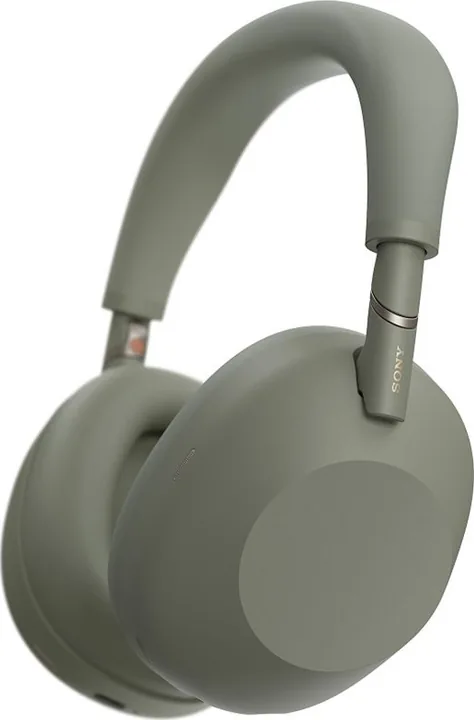
Over-ear headphones offer another physical arrangement. Thomas praised the WH-1000XM6's handling of wind in SoundGuys' simulated microphone samples. That evidence comes from a 2025 five-day review and laboratory recordings, not a long-term outdoor calling study. It is a useful candidate if calls dominate your desk setup, but the samples cannot predict every voice, conferencing app or mobile network.[5]
During the return window, place a real call using your ordinary phone and conferencing app. Have the recipient compare a quiet room, a busy pavement and light wind, without changing your normal speaking voice. Check whether activating a special microphone still leaves your hands free. A voice recorder may choose a different input path from a call; keep both tests if you need both jobs.