Which headphones fit your day? Start with the commute, run and work call
Open ears, sealed earbuds and over-ear headphones solve different annoyances. Published wear and battery tests help narrow the choice.
 SmartWearGuide · 2026-10-12
The train and the evening run ask different things of your headphones. On the train, you may want engine noise to recede. Outside, you may want to hear someone approaching. At a desk, eight uninterrupted hours can matter more than a charging case's impressive total. Choose the situation that causes you the most trouble, then look at the fit and controls you can tolerate there.
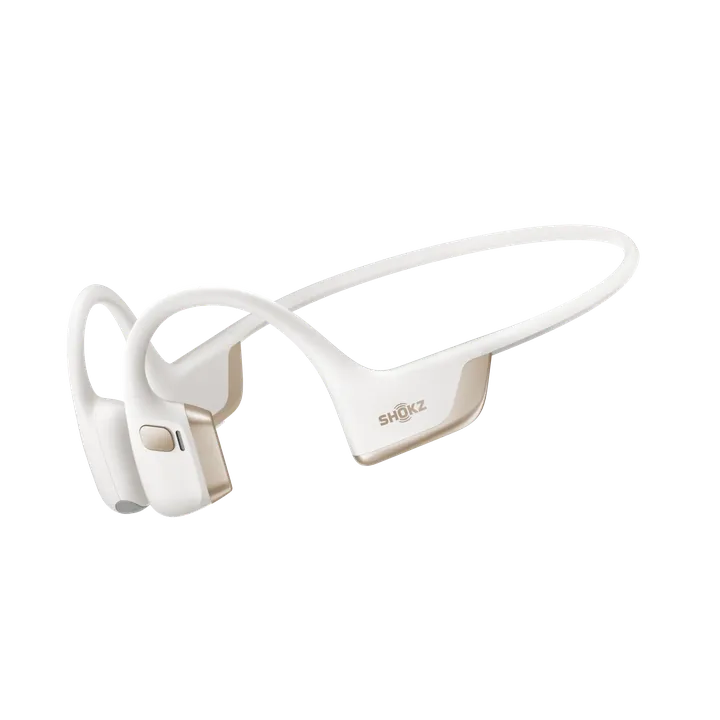
For outdoor running, Nick Harris-Fry's March 2026 Tom's Guide account describes two weeks of daily marathon-training runs with Shokz OpenRun Pro 2. He found the neckband secure and light enough to fade from attention on long runs, with fuller sound than other bone-conduction sets he had used. High volume shortened its advertised 12-hour endurance. That makes it a plausible running choice; it does not establish how well it will isolate a noisy commute.[1] [2]
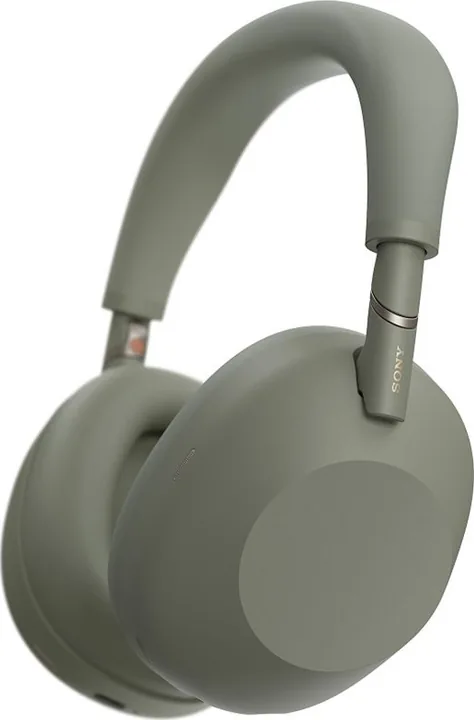
For travel and desk listening, Christian Thomas's 2025 five-day Sony WH-1000XM6 review at SoundGuys offers a useful endurance reference: 37 hours 14 minutes in its standard battery test. His comfort assessment was less straightforward. Thin pads and a protruding microphone could touch the ear. Try them for a full working session before committing.[3]
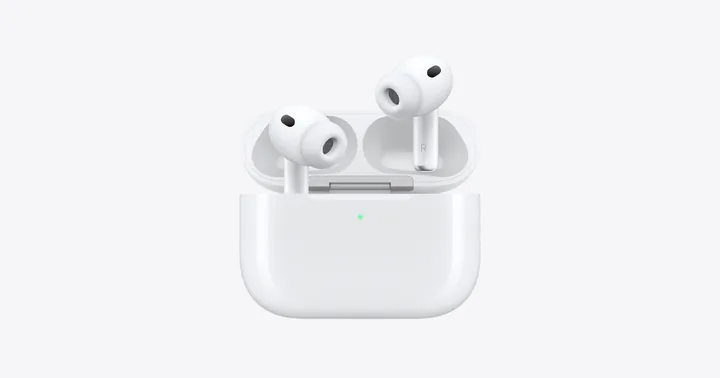
Sealed earbuds are easier to carry. Harley Maranan's 2025 AirPods Pro 3 test at SoundGuys reached 8 hours 42 minutes with ANC on and music peaking at 75dB. The revised tips held better than the previous generation in his ears, but sweat and skin oil still encouraged movement.[4]
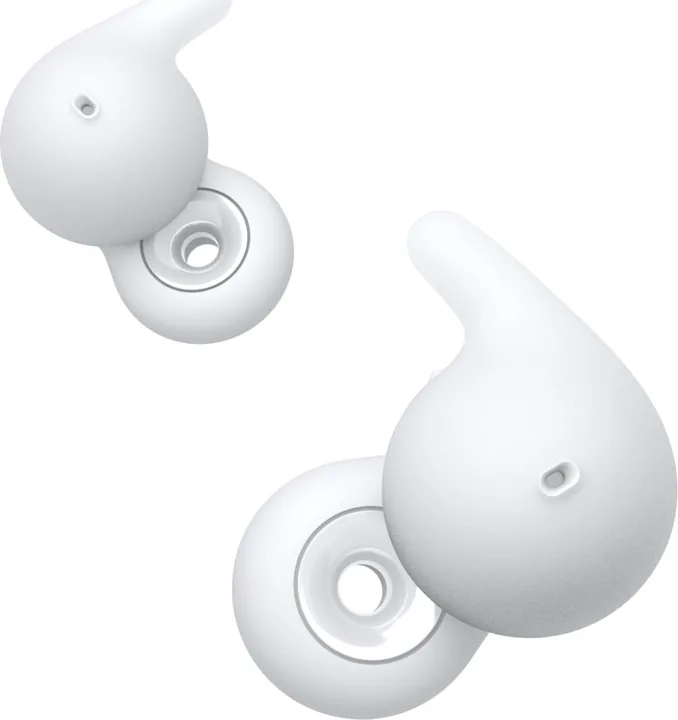
Open earbuds can suit background listening while leaving conversations audible. Harry Padoan tested Sony LinkBuds Open for multiple weeks at home, in the office and on walks. He found their wings secure but somewhat awkward against his ears; a colleague noticed substantial sound leakage at higher volume. His roughly eight-hour experience was close to Sony's claim. A quiet shared office is consequently worth including in your trial, rather than testing only on the street.[5]
Build a shortlist of three: an open-ear option for awareness, a sealed option for isolation, and an over-ear option if long continuous sessions dominate. Check your phone's supported features before paying, then try calls, head movement and your usual glasses with each fit. Treat case-assisted battery totals as separate from uninterrupted listening. A case in your bag cannot extend a call while the earbuds are charging inside it.