Nuance Audio glasses helped 32 older adults understand speech 7 dB quieter in a Turin study
Meta says its FDA-cleared hearing mode arrives for supported AI glasses in the US later this year at $149.99. HearAdvisor's lab hadn't evaluated it by 24 September.
 SmartWearGuide · 2026-10-31
At a glance
Best for: older adults with age-related hearing loss, the group the studies tested.
Skip it if: you expect dramatic gains; AARP's Edward C. Baig, with mild loss, heard a little better.
Price: Meta's software, $149.99 in the US, or with a Meta One subscription (newsroom, re-read 13 October 2026).
Status: coming later this year, per Meta; HearAdvisor hadn't evaluated it by 24 September.
In a University of Turin study, 32 adults with age-related hearing loss, average age 74, understood half the words in speech 7 dB quieter wearing Nuance Audio glasses. At 4,000 to 6,000 Hz, where age-related loss tends to hit hardest, thresholds improved by 10 to 11 dB on average. The paper, in Acta Otorhinolaryngologica Italica's June 2026 issue, reports no specific funding or conflict of interest, and its authors call it the first audiometric evaluation of the frames, an over-the-counter hearing aid built into standard eyeglasses.[1] [2]
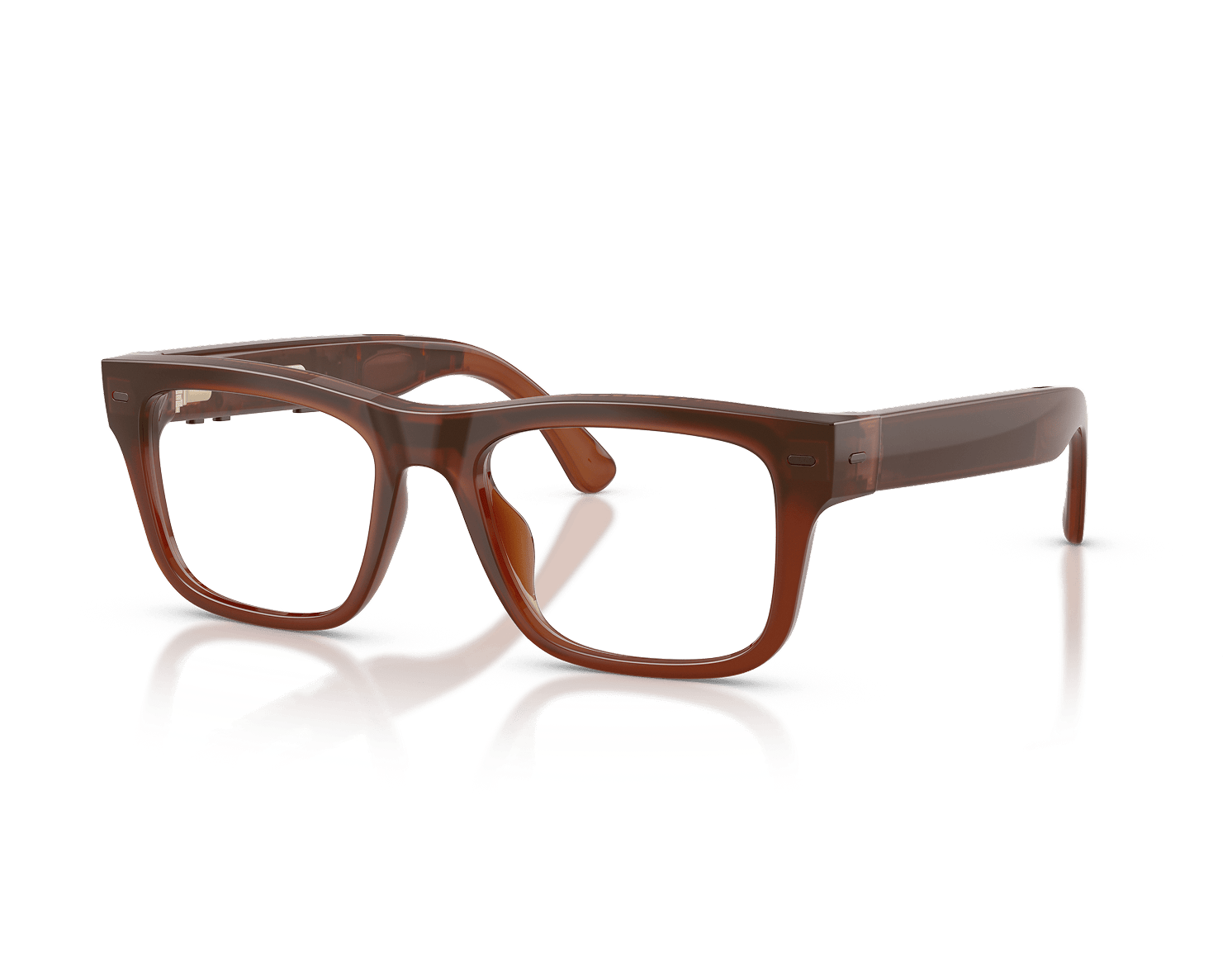
EssilorLuxottica's original frames hide six microphones and two directional speakers in the temples, so nothing sits in the ear canal and prescription lenses still fit. A phone app offers four presets and front-focused or all-around listening, though no hearing test. Meta's coming version starts with a test of around one to two minutes in the Meta AI app, which builds a hearing profile. TechRadar, drawing on Meta's Ravish Mehra, says a voice-trained model then turns the background down, all running on the glasses.[3] [4] [2] [5] [6] [7]
A second paper, from Western University's National Centre for Audiology in Canada, tested 21 adults, mean age 75.3. At a signal-to-babble ratio of minus 3 dB, keyword scores rose from 34.2% unaided to 63.2% with the glasses on. EssilorLuxottica funded that study and two of its authors work there, though the paper says the university team collected and analysed the data independently. HearAdvisor's lab test, published in 2025, gave the glasses 4.1 out of 5 overall and an A grade; speech in noise scored 2.3 out of 5, above its category average yet middling in absolute terms.[2] [5]
AARP's Edward C. Baig, who has mild loss in one ear, took a test pair to a Broadway theatre, his son's school auditorium and noisy restaurants for a June 2025 review. He heard a little better in all three, couldn't report dramatic improvements and didn't need the glasses for TV. HearAdvisor's Steve Taddei found the frames comfortable enough to wear all day and the directional focus noticeable, with more feedback when his hands moved near the microphones.[4] [5]
In a brief demo at Connect in September 2026, TechRadar's Jacob Krol wore earplugs to simulate hearing loss: the glasses amplified people nearby and Focus mode singled out the person in front, though not perfectly. Meta says its own study found the phone-based hearing test matched a professional fitting within an acceptable margin. HearAdvisor hadn't evaluated Hearing Enhancement when HearingTracker reported on 24 September, and its B grade was for the earlier Conversation Focus on Ray-Ban Meta Gen 2.[6] [3]
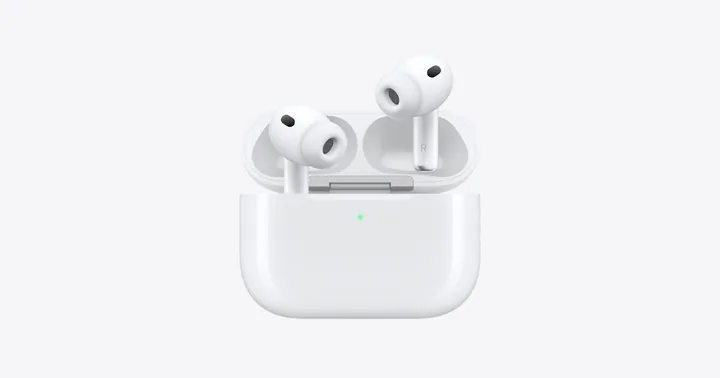
Meta's newsroom, re-read on 13 October 2026, calls the software FDA-cleared and lists it at $149.99 in the US later this year, or with a Meta One subscription. Which Meta frames will carry it is open, and HearingTracker, citing Engadget, says Ray-Ban models sit outside the first rollout. Apple added its own version to AirPods Pro 2 in 2024, HearingTracker notes. TechRadar reports a free 30-day trial at launch, enough to compare the glasses on and off at your noisy table; independent lab figures are the next thing to watch for.[7] [3] [6]
Sources
- Andrea Albera and colleagues (University of Turin) / Acta Otorhinolaryngologica Italica: A novel approach to hearing amplification: audiometric outcomes from Nuance Audio over-the-counter hearing aid glasses, June 2026 issue (accepted 26 October 2025) ↗
- Paula Folkeard, Yu-Ying Sung, Tami Harel-Arbeli, Giulia Cuccato, Susan Scollie / Frontiers in Audiology and Otology: Performance measures of the Nuance Audio Glasses: behavioral outcomes and real ear measures, 25 May 2026 ↗
- Karl Strom / HearingTracker: Meta Smart Glasses to Get FDA-Cleared OTC Hearing Aid Feature, 24 September 2026 ↗
- Edward C. Baig / AARP: Can I Really Hear Better by Wearing These Eyeglasses? (Product Test: Nuance Audio Hearing Aid Glasses), 19 June 2025 ↗
- Steve Taddei / HearingTracker with HearAdvisor lab: Nuance Audio Glasses: Lab Tested for Hearing Aid Performance, published 10 June 2025 (page updated 21 September 2026) ↗
- Jacob Krol / TechRadar: 'Glasses is the ideal form factor' - Why Meta is bringing hearing enhancement to its smart glasses, 23 September 2026 ↗
- Meta Newsroom: The Biggest News From Connect 2026, 24 September 2026 ↗