Would a screen-free fitness tracker help alongside your watch?
It can make continuous wear easier, but automatic workout recognition and phone software still need to earn your trust.
 SmartWearGuide · 2026-10-12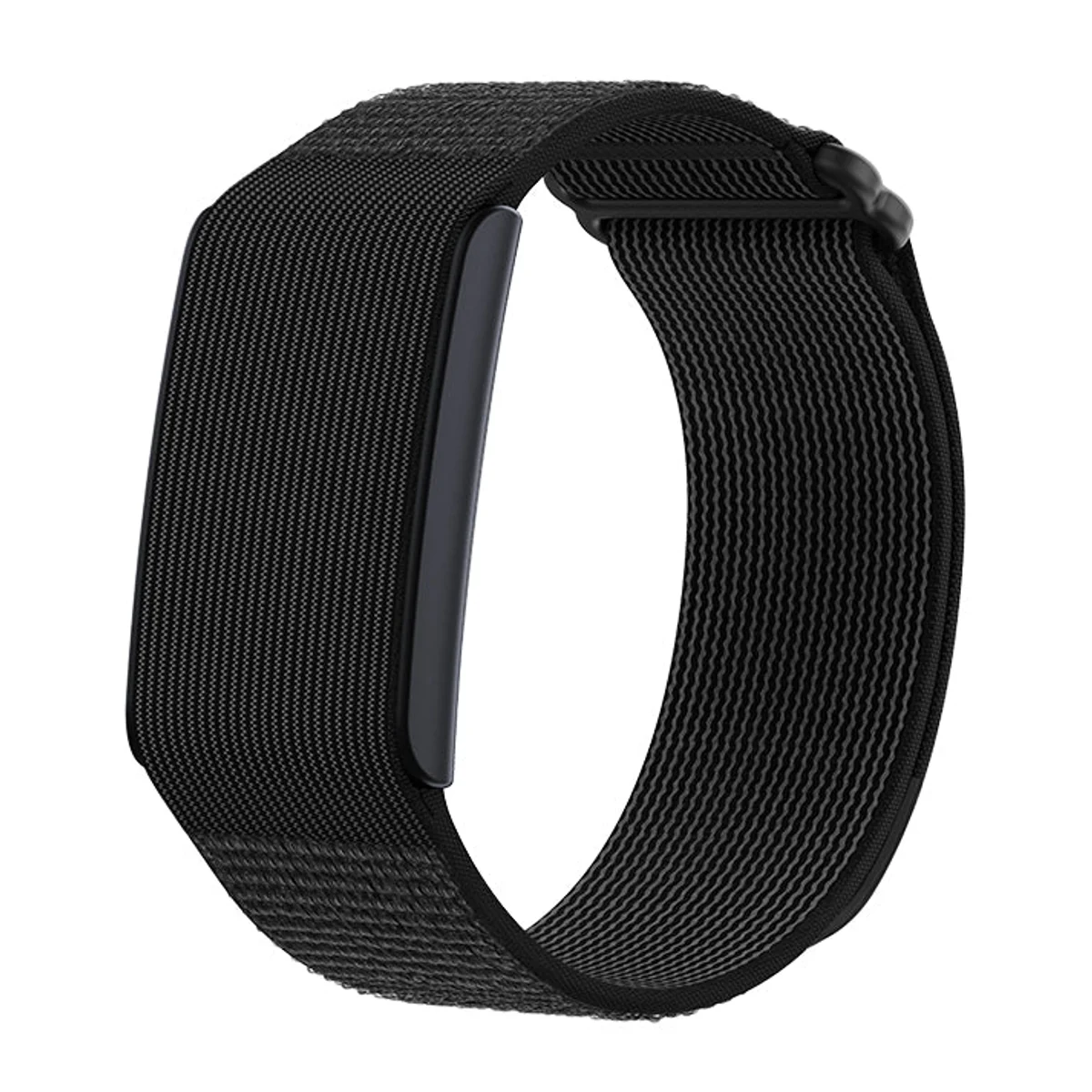
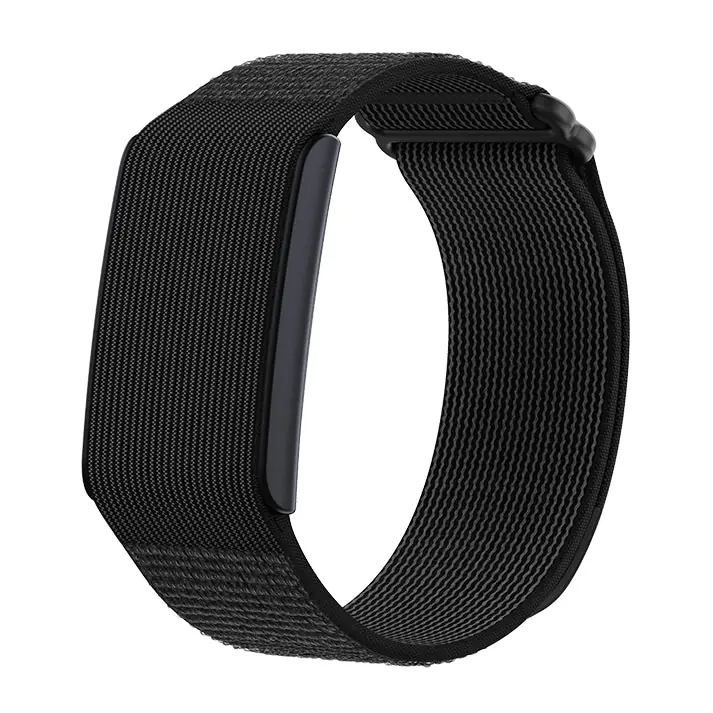
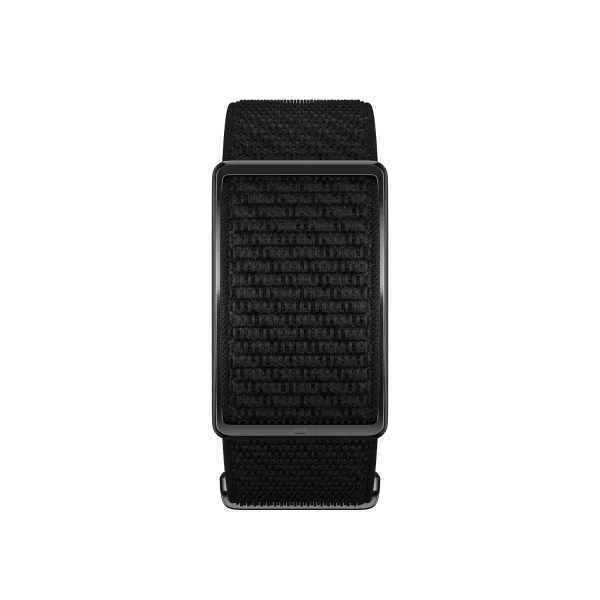
A screen-free band can keep tracking while you wear a normal watch or leave a larger sports watch off overnight. It cannot provide a route map or a glanceable pace display during a run. If those are part of your training, keep a watch with the verified navigation and live-data features you use. The original Helio Strap and Polar Loop instead send their results to phone apps; their manufacturers do not require a subscription for the core tracking features.[1] [2]
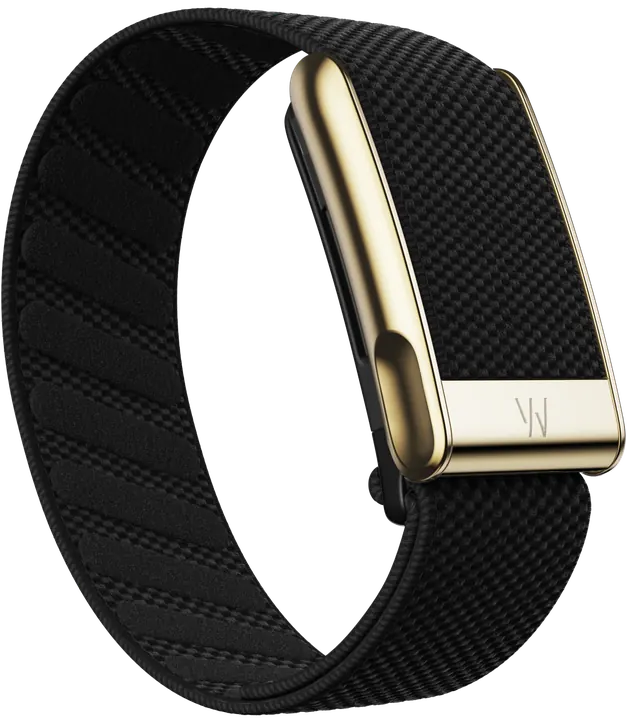
Andrew Williams' April 2026 TechRadar comparison found roughly ten days from Helio Strap, a week from Polar Loop and about nine days from WHOOP under fairly intense use. He also encountered Polar pairing trouble and Android app crashes while opening exercise entries. WHOOP's coaching felt clearer, but involved recurring payment and phone prompts. Those differences affect whether an unobtrusive band remains unobtrusive once its software wants attention.[3]
Ray Maker's August 2026 multi-person testing for DC Rainmaker exposes another check: whether the band recognises the full workout. Garmin Cirqa stopped one mountain ride early, losing a substantial later segment; Helio sometimes detected very short rides too eagerly. These are different failure modes. A pleasing recovery dashboard is less useful if its underlying session boundaries are wrong. Maker compared several activities and placements over weeks, rather than judging the category from one short run.[4]
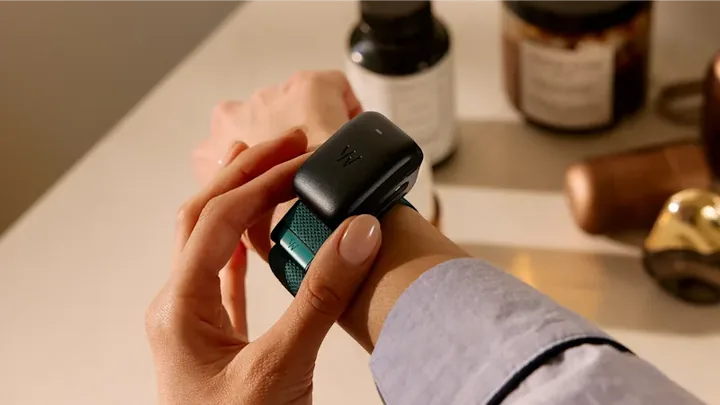
Maker also found upper-arm placement generally stronger for workout heart-rate tracking, whereas wrist wear better identified sleep boundaries when people read or used a phone in bed. His tested participants and conditions do not guarantee a result for every body or activity. They do explain why a band praised for exercise can still need a different position overnight, and why moving it casually between wrist and arm may change what its app reports.[4]
Sam Cross's January 2026 T3 Polar Loop test found another software irritation. A thirty-minute walk he logged also gained a separate eight-and-a-half-minute Other Indoor entry, partially duplicating the activity. He liked the light, unobtrusive hardware and useful sleep explanations, but found Flow less approachable for everyday users. A blank wrist therefore does not automatically mean less administration: examine whether the app records and explains your ordinary day clearly.[5]
For your first week, check a workout's start and finish against what you actually did, and compare the app's usefulness with your existing watch. Keep the screen-free device if comfortable continuous wear reveals trends you act on. Avoid buying a second wearable merely to collect a second recovery score, and do not treat either device's estimate as a diagnosis.
Sources
- Amazfit Helio Strap - Amazfit US store ↗
- Polar Loop (2025) - Polar US official product store ↗
- Andrew Williams / TechRadar: firsthand Helio Strap, Polar Loop and WHOOP comparison, April 5, 2026 ↗
- Ray Maker / DC Rainmaker: multiple-person screenless tracker accuracy test, August 3, 2026 ↗
- Sam Cross / T3: Polar Loop firsthand review, January 24, 2026 ↗