What does a fitness sensor add if I already have a watch?
A separate heart-rate sensor earns its place through a better workout record, comfortable wear or a connection your watch cannot provide.
 SmartWearGuide · 2026-10-12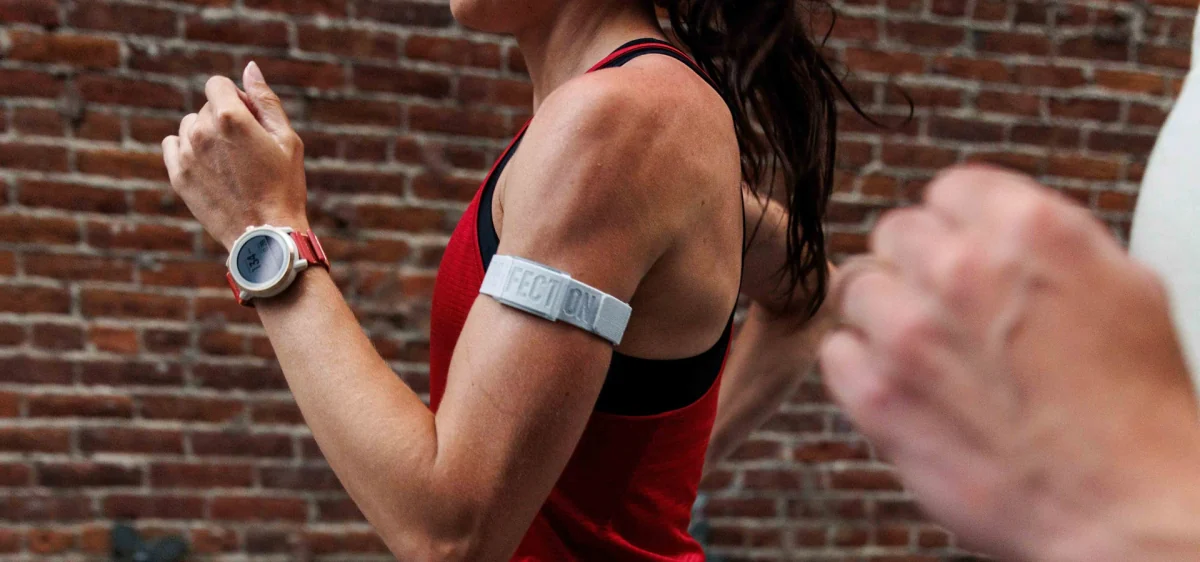
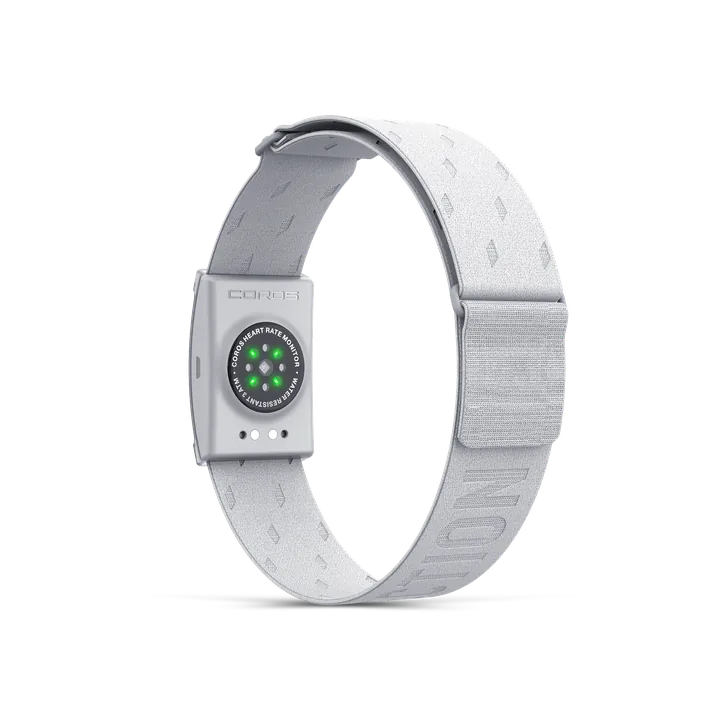
Luke Edwards found the upper-arm COROS Heart Rate Monitor easier to wear than a chest strap in his May 2025 TechRadar test. It generally agreed closely with the chest sensor he used for comparison, but an early hill effort exposed a delay: the chest reading reached 170 while COROS briefly showed 155. It caught up afterwards. An average that looks convincing at the end of a run can therefore miss the change you wanted to watch during the climb.[1]
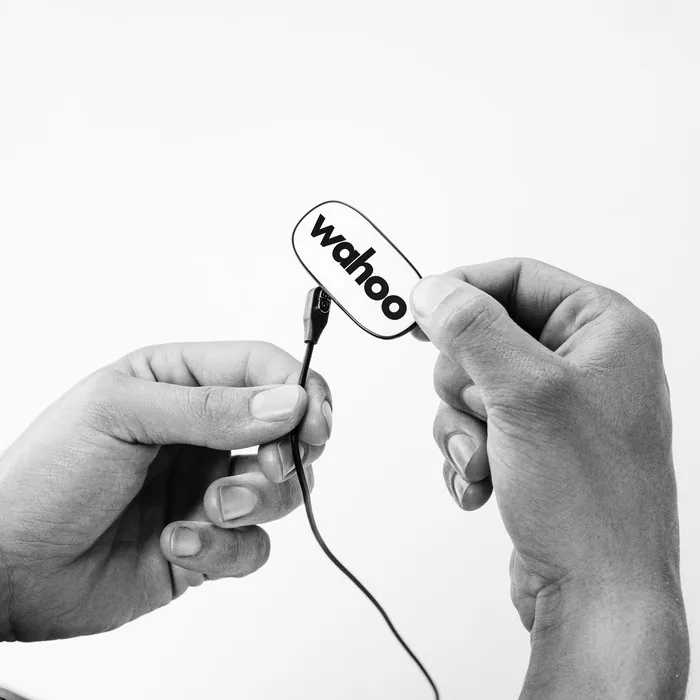
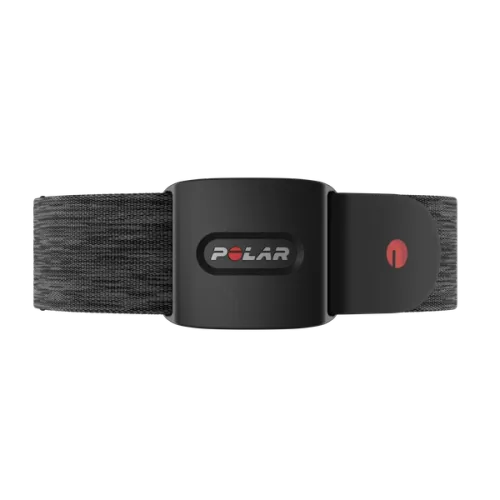
Kaitlyn Cimino’s July 2024 Android Authority test of Wahoo’s TRACKR HEART RATE was encouraging for a different reason. Across running, cycling, rowing and other exercise, it connected promptly and did not drop midway through her sessions. Its readings closely followed her Polar Verity Sense comparison. That is agreement between two consumer sensors, not a medical reference test. She also disliked wetting the chest electrodes and keeping another proprietary charger. Dependable recording still has a small preparation ritual.[2]
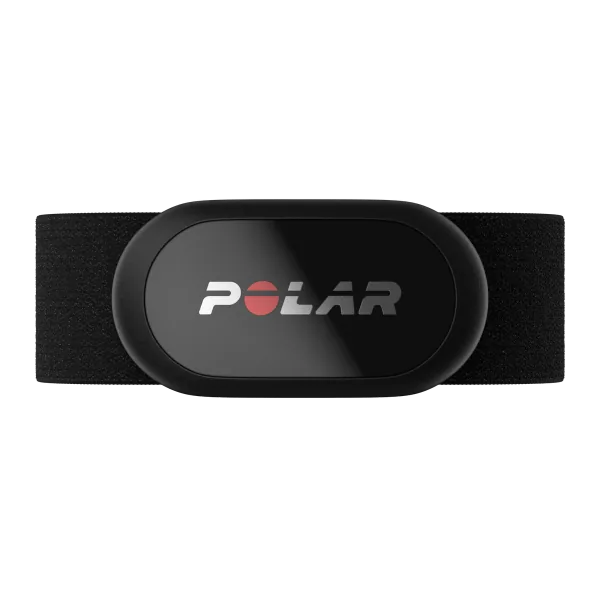
A separate sensor can also serve an existing equipment setup. Emma Cole paired the Polar H10 with both a Garmin Instinct 2S and a Wahoo KICKR Move in her January 2025 Cyclingnews review, finding the heart-rate transfer quick. Its secure strap was comfortable enough to forget during long sessions. She preferred a rechargeable battery, although the H10 uses a replaceable coin cell. Her experience explains why adding a modest sensor may make more sense than replacing a watch that already does the other jobs well.[3]
The sensor and the recorder need to be chosen together. COROS’s setup guide says its monitor wakes through wear detection and can pair directly with a compatible watch or fitness app; the COROS app pairing is required for firmware updates. Wahoo documents ANT+ and three simultaneous Bluetooth connections. Check the receiving app or bike computer and make sure it has started the session. Seeing a live heart-rate number does not by itself establish that a workout file is being saved.[4] [5]
Buy an extra sensor when you can name the recording problem: lost readings during workouts, uncomfortable wrist wear, equipment that needs a heart-rate broadcast or a sport that makes a watch impractical. If your present record is consistent enough for the way you train, extra hardware may add only another strap to rinse. These are workout tools; interpreting a persistent symptom or making a diagnosis is a different task.