Would a smartwatch help me? Start with the charging routine.
Three tested watches show different reasons to put a screen on your wrist: useful apps, encouragement or fewer charging stops.
 SmartWearGuide · 2026-10-12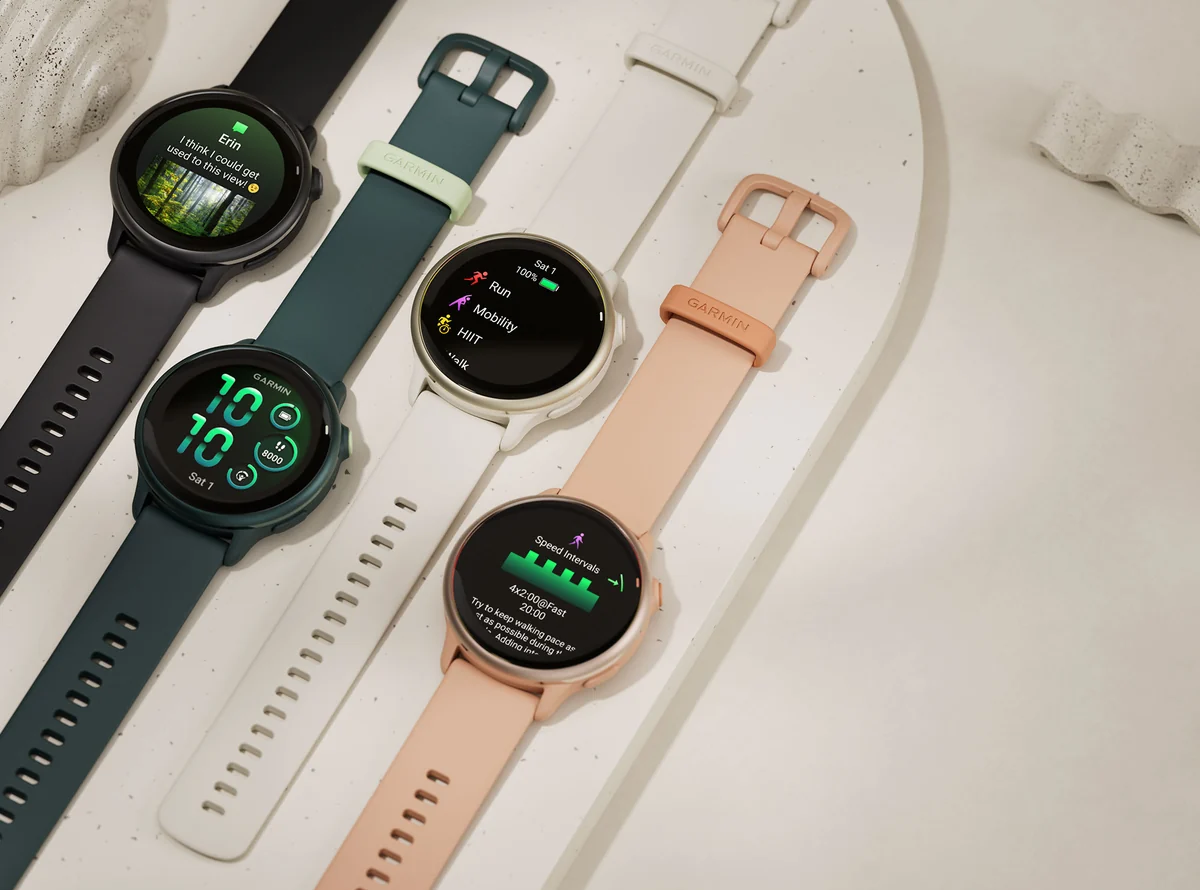
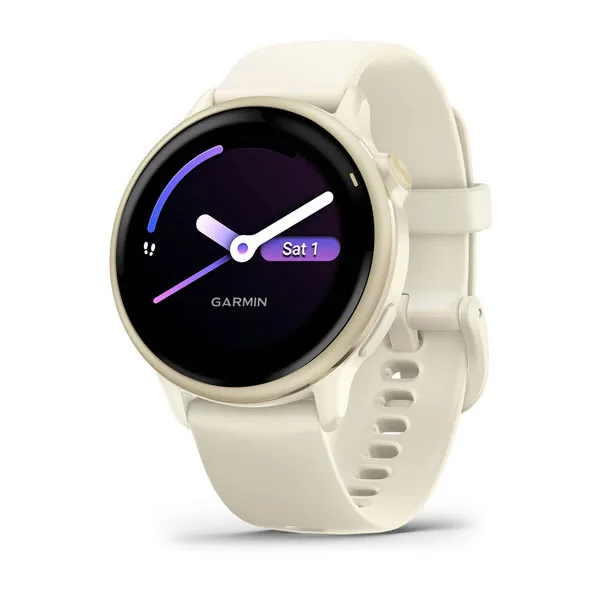
Dan Bracaglia wore the Garmin vívoactive 6 for a month and averaged roughly seven days between charges, including nightly sleep tracking and some saved music. That was below Garmin’s eleven-day claim, but enough to avoid a nightly charging appointment. He liked its comfortable case, payment support and useful fitness summaries. His reservations were more revealing than a feature count: the app selection was limited, elevation could be inconsistent, and the walking suggestions did not give him much reason to change his routine.[1]
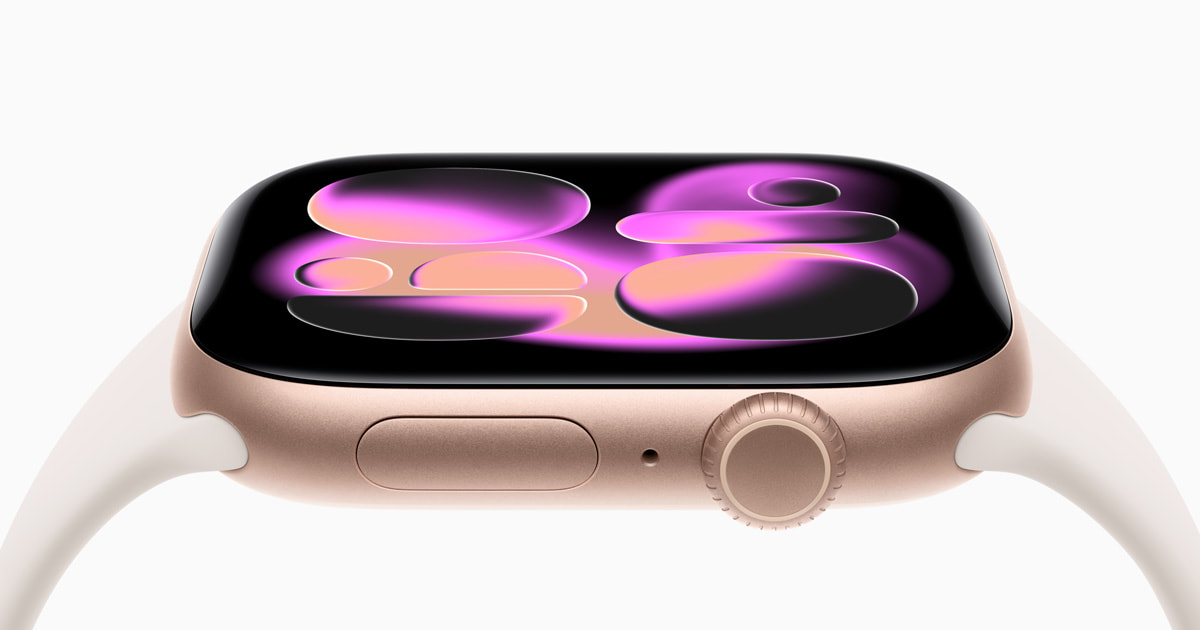
An iPhone watch offers a different kind of convenience. In Jacob Krol’s September 2025 TechRadar test, the Apple Watch Series 11 opened third-party apps quickly and handled a phone call in a noisy baseball stadium well. His 46 mm sample also survived about seventeen hours from a 54% charge, including sleep tracking. That is a useful observation about his particular use, rather than a guarantee for a day of cellular calls. The benefit is answering or acting on something immediately without fishing out the phone.[2]
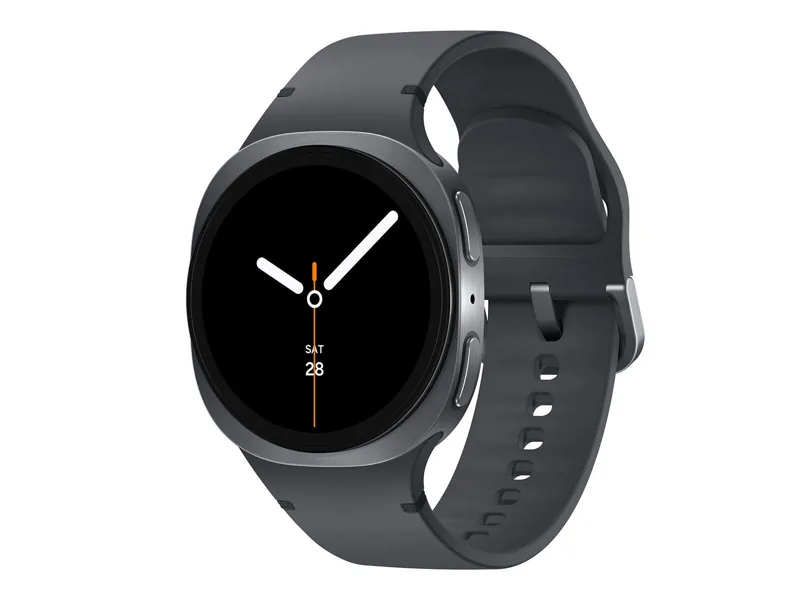
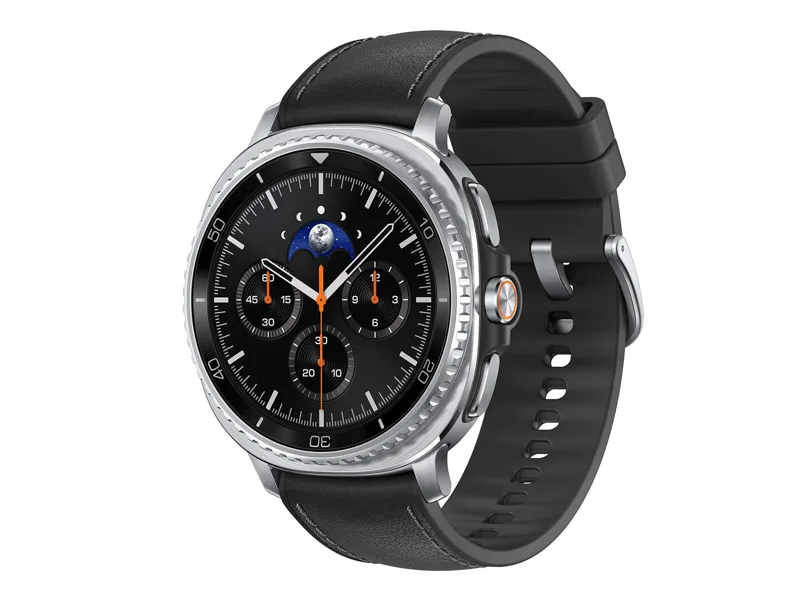
Samsung’s coaching can appeal even when a race is not on the calendar. Dan Bracaglia, testing the Galaxy Watch8 family for Tom’s Guide, found the encouragement during its twelve-minute running assessment helpful and received a proposed 10K plan afterwards. He had not completed that plan when he wrote the review. He also measured about thirty hours with the standard Watch8 models and roughly forty with the Classic, using always-on screens. Case size and charging habits matter more here than the shared Watch8 name.[3]
These are different purchases. The Series 11 requires a supported iPhone; Apple’s specifications list iPhone 11 or later and iOS 26 or later. The vívoactive 6 offers phone notifications, stored music and Garmin Pay alongside activity tracking, but it has no cellular option. A watch chosen to reduce missed messages can therefore be a poor substitute for a phone-free outing. Decide which task must work away from the phone, then check that exact feature and configuration.[4] [5]
For a first watch, choose two jobs you will actually use each week and a time when you can reliably charge it. A gym session with music, a glance at an appointment or a repeatable running plan is easier to judge than another wellness score. During the return period, check comfort in bed, notification noise and whether you still open the companion app. If the useful jobs already happen easily on your phone, the watch can wait.